Effective Budgeting Techniques for Managing Winter Costs in the UK
Understanding Your Household’s Energy Requirements
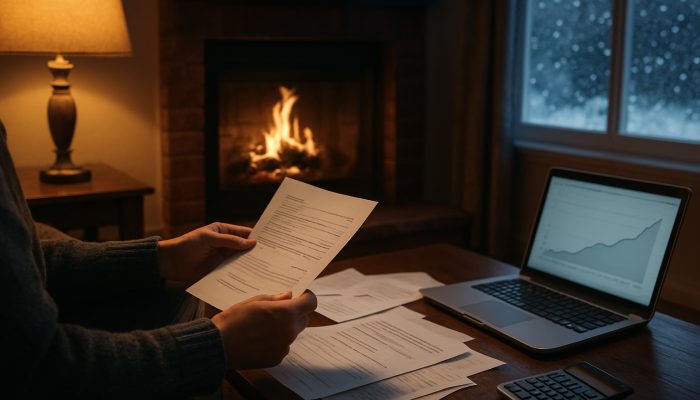
Gaining a thorough understanding of your household’s energy requirements is crucial for effective winter budgeting. During the colder months in the UK, energy consumption often increases significantly due to the heightened need for heating and lighting. By examining your previous utility bills, you can identify average usage patterns, enabling you to predict future costs more accurately.
It is also essential to monitor the energy price cap, as it can fluctuate. Staying informed about these rates helps you avoid overspending on bills during the peak winter months. Investigating energy comparison websites can also lead you to the best available deals, ensuring you are protected from unexpected price hikes.
Maintaining a Detailed Record of Income and Expenditures
Keeping a precise record of your income and expenses is vital for identifying potential savings. Begin by compiling a list of all your income sources, including salaries, benefits, and any additional work. Subsequently, methodically catalogue your monthly expenditures, from rent and utilities to groceries and discretionary spending.
This detailed tracking enables you to identify areas where you can reduce spending without compromising essential preparations for winter. For instance, consider cutting back on non-essential subscriptions or dining out less frequently, freeing up funds that can be redirected to enhance your winter budget.
Establishing Achievable Savings Goals
Setting realistic savings goals is essential for maintaining financial stability as winter approaches. Start by calculating the total amount needed for winter-related expenses, such as heating and holiday costs. Break this figure down into achievable monthly savings targets.
By establishing realistic goals, you can steadily work towards your financial objectives while ensuring you are prepared for seasonal increases in living costs. Regularly reviewing your savings plan allows you to adjust it as your financial situation evolves.
Expert Advice on Preparing for Next Winter While Managing Debts
Exploring Cost-Effective Insulation Options
Investing in insulation can significantly reduce energy consumption throughout winter, leading to lower bills. In the UK, various affordable insulation options are available, including loft insulation, cavity wall insulation, and draught-proofing. These enhancements can help decrease heating expenses without requiring substantial upfront investments.
It is wise to obtain quotes from local contractors or investigate government grants that may subsidise these home improvement costs. Such financial assistance can make insulation upgrades more affordable, enabling you to manage both winter expenses and debt repayments effectively.
Focusing on Necessary Winter Purchases
When planning your winter budget, prioritising necessary purchases is crucial. Items such as warm clothing, blankets, and essential supplies should take precedence in your spending. Allocate a specific portion of your budget for these essentials while ensuring that debt repayments remain a priority.
For example, consider shopping during sales or utilising discount retailers to maximise your budget. This strategy allows you to prepare adequately for winter while also fulfilling your financial obligations, striking a balance between needs and debts.
Keeping Track of Changes in Living Costs

Fluctuations in living costs can significantly affect your winter budgeting efforts. Being informed about price changes for utilities, groceries, and other essentials is vital. Regularly reviewing your budget allows you to make necessary adjustments to your spending, ensuring you stay on track.
Using budgeting apps or spreadsheets can assist in closely monitoring your expenses. This proactive approach enables you to identify spending trends and make informed decisions, helping you manage your finances effectively throughout the winter months.
How Can You Achieve Significant Reductions in Heating Expenses?
Researching Energy-Saving Grants
Many households in the UK can take advantage of energy-saving grants aimed at funding home improvements that reduce heating costs. Local councils and government initiatives frequently offer financial support for insulation, heating systems, and energy-efficient appliances. Investigating available grants can lessen the burden of upfront expenses.
To access these funds, check the eligibility criteria on government websites or consult local energy providers. Engaging with these resources can facilitate necessary upgrades without incurring additional debt, allowing for better financial management during winter.
What Are the Optimal Thermostat Settings?
Setting your thermostat to appropriate temperatures is essential for balancing comfort with energy efficiency. A recommended temperature range of around 18-21°C (64-70°F) is ideal for living areas, while bedrooms can be kept cooler at night. This practice effectively manages heating costs.
Regularly adjusting your thermostat based on your daily routine can result in significant savings. Lowering the temperature when you are out or asleep can lead to reduced energy bills, allowing you to concentrate on steadily decreasing your debts.
Comparing Energy Supplier Tariffs
Investigating energy supplier tariffs is vital for identifying the most economical plan that suits your budget. The UK energy market offers a variety of tariffs, including fixed, variable, and prepayment options. By comparing these plans, you can find the best deal that aligns with your consumption habits.
Utilise online comparison tools to evaluate different suppliers and their offerings. Switching to a more competitive tariff can result in substantial savings, freeing up funds that can be redirected towards debt repayments, thereby enhancing your financial stability.
Considering Insulation Upgrades
Installing loft and cavity wall insulation can drastically reduce heat loss, resulting in lower energy bills during winter. These upgrades not only improve energy efficiency but also enhance overall comfort within your home. Investing in insulation can lead to long-term savings on heating costs.
Many local authorities and energy companies provide incentives for homeowners to undertake these improvements. Assessing the advantages of insulation upgrades can help you determine the best options for your property, ensuring you remain warm while effectively managing your finances.
Practical Strategies for Preparing for Next Winter While Managing Debts
Gradually Building an Emergency Fund
Creating an emergency fund is a wise strategy for managing unexpected winter expenses. Start by setting aside a small amount each month, gradually building a financial cushion that can cover unforeseen costs, such as urgent repairs or medical bills.
For instance, if you allocate £20 monthly, you could accumulate £240 by winter. This fund offers peace of mind, allowing you to continue your debt repayments without the additional stress of unexpected expenses. Regular contributions, no matter how small, can lead to substantial savings over time.
Negotiating Payment Plans with Creditors
During seasons of increased spending, negotiating payment arrangements with creditors can be beneficial. Maintaining open lines of communication can lead to revised terms that provide flexibility during financially challenging periods. Many creditors are willing to collaborate to prevent defaults.
Prepare for these discussions by reviewing your financial situation and proposing realistic repayment options. This proactive approach can enhance your debt management while ensuring you retain necessary funds for winter expenses.
Utilising Complimentary Financial Advisory Services
Accessing complimentary financial advisory services can yield tailored insights for effectively managing your finances. Organisations like Citizens Advice offer resources and support for those facing financial difficulties. Engaging with these services can help you create a comprehensive plan for budgeting and debt management.
Consider scheduling an appointment or visiting their website for online resources. These services can inform you of your rights and options, assisting you in navigating your financial landscape while preparing for the winter ahead.
What Are the Most Effective Strategies for Managing Debt?
Assessing Debt Consolidation Loans
Debt consolidation loans can simplify your financial responsibilities by combining multiple debts into a single, manageable monthly payment. This strategy often results in lower interest rates, making it easier to settle debts without feeling overwhelmed.
In the UK, various lenders provide consolidation loans tailored to your needs. Before proceeding, ensure you fully comprehend the terms and conditions, including any potential fees. This method can streamline your finances, enabling you to focus on winter budgeting and essential expenses.
Accessing Charitable Support Networks
Numerous established UK debt charities offer free resources and support to those in financial distress. These organisations provide tools and plans designed to assist individuals in effectively managing their debts without incurring additional fees. Engaging with these networks can be invaluable.
Contact charities such as StepChange or the National Debtline for guidance tailored to your specific situation. Their expertise can help you navigate financial challenges while ensuring you receive the necessary support for winter planning.
What Is a Debt Relief Order?
A Debt Relief Order (DRO) serves as a formal solution for individuals in the UK with low income and minimal assets. It allows you to eliminate debts that you cannot afford to repay within a year. Understanding the eligibility criteria is essential before applying.
The process involves submitting an application through an approved intermediary, who will assess your situation. If granted, a DRO can provide considerable relief, allowing you to focus on winter expenses without the burden of unmanageable debt.
Exploring Individual Voluntary Arrangements
An Individual Voluntary Arrangement (IVA) is a formal agreement with creditors that allows you to repay debts over a specified duration, typically five years. This option can be advantageous for those seeking to avoid bankruptcy while maintaining control over their finances.
Establishing an IVA requires collaboration with a licensed insolvency practitioner, who will negotiate terms with your creditors. This structured approach can facilitate manageable repayments and provide a clear path towards financial recovery during challenging economic periods in the UK.
Research-Backed Advantages of Preparing for Next Winter While Managing Debts
Enhancing Mental Wellbeing Through Financial Organisation
Structured financial planning can significantly alleviate the stress associated with seasonal costs and debt obligations. By maintaining a clear budget and savings strategy, you can enter winter with confidence, knowing that you are prepared for potential expenses.
Individuals who actively engage in financial management often report improved mental wellbeing, feeling more in control of their circumstances. This proactive approach fosters better decision-making and a more positive outlook as winter nears.
Establishing Long-Term Financial Stability
Implementing habits that encourage consistent saving can enhance your long-term financial stability. Regularly reviewing your budget and adjusting it to meet your needs can help you lay a solid financial foundation for the future.
Consider setting up automatic transfers to your savings account to promote regular saving. This practice can reduce reliance on credit during future winters and foster a healthier financial lifestyle overall.
What Is the Impact of Early Preparation on Winter Budgeting?
Taking proactive measures well in advance can greatly influence your overall debt reduction success rates. Households that prepare early for winter expenses often find themselves better equipped to tackle financial challenges.
Recent studies indicate that early budgeting and planning can lead to improved outcomes for debt repayment. By taking the initiative to organise your finances ahead of time, you can navigate winter with greater ease and confidence.
Which Government Schemes Are Available to Support Winter Planning?
Applying for Winter Fuel Payments
Winter Fuel Payments are available to qualifying pensioners in the UK to assist with heating costs during the colder months. This benefit can significantly alleviate financial pressures without increasing debt levels, providing essential support to those in need.
To apply, confirm your eligibility through the government website and ensure you submit your application promptly. This financial aid can greatly enhance your winter budgeting efforts, allowing you to focus on debt repayment.
Understanding Cold Weather Payments
Cold Weather Payments are automatic allowances activated when temperatures drop below a specific threshold for an extended duration. These payments aim to support individuals on qualifying benefits, helping them manage heating costs during particularly harsh winters.
Staying informed about the eligibility criteria for these payments ensures you receive timely assistance. Regularly checking local weather forecasts can help you anticipate when these payments may be activated, providing additional financial relief as necessary.
How Can You Access Council Tax Reductions?
Many local authorities in the UK offer council tax reductions for eligible households, which can help lower annual tax bills. These reductions can free up funds that can be redirected towards debt repayment or winter expenses.
To access these discounts, contact your local council or visit their website for details on available schemes. Understanding the eligibility requirements and application processes can help you maximise your savings and manage your finances more efficiently.
Seeking Expert Debt Guidance
Reaching Out to the National Debtline
The National Debtline offers confidential support for individuals facing debt challenges. By contacting them, you can receive tailored advice that integrates winter budgeting with effective debt management strategies suited to your circumstances.
Utilising this resource empowers you to take control of your financial situation, ensuring you are well-prepared for the winter ahead. Their expertise can guide you through difficult times, assisting you in making informed financial choices.
Participating in Free Workshops
Engaging in community workshops can equip you with practical skills for balancing seasonal requirements with ongoing financial commitments. Many organisations offer complimentary sessions focused on budgeting, debt management, and financial planning.
Attending these workshops can deepen your understanding of effective financial strategies, enabling you to approach winter with confidence. Connecting with others in similar situations can also provide valuable support and motivation.
Reviewing Resources from StepChange
StepChange provides a wealth of online tools and resources designed to help individuals effectively manage their debts. By exploring their materials, you can access structured strategies for clearing debts while adequately preparing for the upcoming winter season.
These resources can guide you in crafting a realistic budget and developing a plan to address your financial challenges. Engaging with StepChange can offer the support needed to navigate winter while maintaining control over your finances.
FAQs
How do I begin budgeting for winter expenses?
Start by reviewing your previous winter expenses, tracking monthly income and outgoings, and establishing realistic savings targets to prepare effectively for the colder months.
What strategies can help reduce energy bills during winter?
Consider improving insulation, using energy-efficient appliances, and setting your thermostat to optimal temperatures. Regularly compare energy supplier tariffs to ensure you receive the best rates.
Are there grants available for home insulation in the UK?
Yes, a variety of grants are offered by local councils and government initiatives to fund insulation improvements, thereby reducing heating costs without accumulating further debt.
What should I prioritise in my winter budget?
Concentrate on essential items such as warm clothing, heating supplies, and food. Allocate a portion of your budget for these necessities while ensuring debt repayments take precedence.
How can I negotiate with creditors during winter?
Engage in discussions with your creditors to explain your financial situation. Propose realistic repayment plans that accommodate your winter expenses to create flexibility in your budget.
What is a Debt Relief Order (DRO)?
A DRO is a formal solution for individuals with low income and limited assets, enabling them to eliminate debts they cannot repay within a year. Eligibility criteria apply.
How can I apply for Winter Fuel Payments?
Verify your eligibility for Winter Fuel Payments via the government website and ensure timely application to assist with heating costs during colder months.
What are Cold Weather Payments?
Cold Weather Payments are automatic allowances triggered by low temperatures, providing financial support to those on qualifying benefits to assist with heating expenses.
How can I reduce my council tax?
Contact your local council to explore available discounts and reductions based on your circumstances, which can help lower your annual council tax bills.
Where can I find free debt advice?
Organisations such as Citizens Advice, StepChange, and the National Debtline offer free, confidential support and resources to assist individuals in managing their debts effectively.
Visit our Facebook profile today!
This Article Was First Found On: https://www.debtconsolidationloans.co.uk
The Article Key Strategies for Paying Debts While Planning for Winter found first on https://electroquench.com