Understanding Your Cat’s Response to Elevated Temperatures
Effective Methods for Monitoring Your Cat’s Temperature
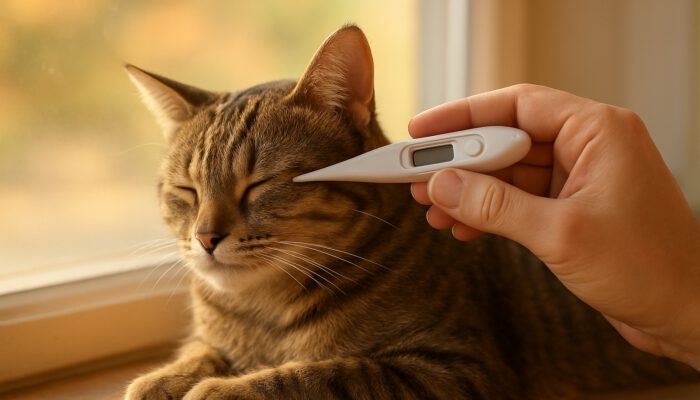
Monitoring your cat’s body temperature is vital, particularly during the sweltering summer months. The standard temperature range for cats lies between 100.5°F to 102.5°F (38°C to 39.2°C). Utilising a digital thermometer specifically designed for pets ensures quick and accurate readings. By regularly checking your cat’s temperature, you can identify early signs of overheating and take necessary action before more severe health issues develop.
As outdoor temperatures rise, many cats struggle to maintain effective body heat regulation. This challenge is especially pronounced in breeds with thick fur, as well as older or overweight cats. It is imperative for pet owners to familiarise themselves with their cat’s normal body temperature and perform regular checks during heat waves. If a cat’s temperature surpasses 104°F (40°C), it is crucial to implement immediate cooling measures.
Using safe methods for temperature monitoring, such as rectal or ear thermometers, is recommended. Avoid human thermometers, as they may not provide accurate readings for animals. Conducting regular temperature checks helps ensure that any substantial changes are detected early, facilitating prompt intervention and the prevention of heat-related conditions.
How Can You Recognise Your Cat’s Responses to Heat?
Cats exhibit a range of signs in response to heat that observant owners should be able to identify. Common symptoms of discomfort include panting, excessive grooming, and lethargy. Cats may seek cooler surfaces or retreat to shaded areas in an effort to regulate their body temperature. Recognising these behaviours allows owners to take proactive steps to ensure their pets remain comfortable.
To panting, cats may show signs of unease through altered eating or drinking habits. A significant reduction in activity levels or reluctance to engage in play could suggest overheating. Creating a cool environment and providing easy access to fresh water can help alleviate these concerns.
Understanding these physical reactions is essential for safeguarding a cat’s well-being in changing temperatures. Owners should be prepared to implement cooling strategies, such as creating shaded areas or using fans to enhance air circulation. By swiftly recognising these signs, owners can prevent overheating and support their cats in staying happy and healthy.
What Signs Indicate That Your Cat Might Be Uncomfortable?
Early signs of discomfort in cats can manifest in various ways. Increased vocalisation, restlessness, or a preference for cooler spots may all indicate that a cat is feeling overheated. Owners must remain vigilant to these behaviours, as they may signal an urgent need for cooling measures.
Physical indicators such as excessive panting or drooling can also suggest escalating discomfort. Cats may exhibit a rapid heartbeat or an increased respiratory rate, signalling that they are struggling with the heat. Keeping a close watch on these symptoms allows for timely action to avert heatstroke.
When noticing any signs of distress, it is crucial for owners to ensure rest and adequate hydration. Encouraging cats to drink water or providing ice cubes can help lower their body temperature. By effectively supporting their natural cooling mechanisms, owners can keep their cats comfortable and healthy during hot weather.
Expert Strategies for Preventing Heatstroke in Cats This Summer
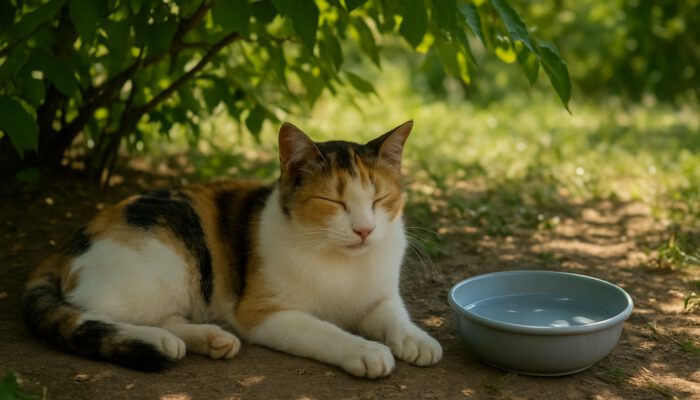
Assessing Indoor Airflow to Ensure Maximum Comfort
Evaluating the airflow within your home is essential for preventing heatstroke. Proper ventilation creates a comfortable atmosphere for cats during hot weather. Owners should assess airflow in areas where cats spend the most time. This may involve opening windows, using fans, or even investing in air conditioning for more effective temperature regulation.
Strategically placing fans in rooms where cats relax can significantly improve air circulation. Ceiling fans can help distribute cooler air evenly throughout the space. Using air purifiers can enhance air quality while fostering a pleasant environment for pets. Regular checks to ensure that vents are unobstructed are vital for optimal airflow.
Maintaining a comfortable indoor environment also entails keeping the temperature below 80°F (27°C), which is ideal for feline comfort. If indoor temperatures exceed this threshold, owners should take measures to cool the area, such as using shades or reflective window coverings to block direct sunlight.
Ensuring Easy Access to Fresh Water
Providing readily available hydration is crucial for preventing heat-related health problems in cats. Cats can be picky about their water sources, so offering multiple options encourages them to drink more frequently. Positioning water bowls in various locations throughout the house ensures that cats have easy access to hydration, particularly during warmer months.
Consider utilising pet water fountains, as the movement of water can attract cats and encourage them to drink. Cats generally prefer fresh, flowing water, making fountains an appealing choice. Regularly cleaning and replenishing water bowls with fresh water daily promotes healthy drinking habits.
Real-world experiences indicate that some cats favour shallow dishes, while others may prefer deeper bowls. Experimenting with various types of water bowls can help determine which options your cat enjoys. By providing appropriate hydration sources, owners can help maintain their cat’s fluid balance and overall health during the summer heat.
Creating Comfortable Shaded Retreats
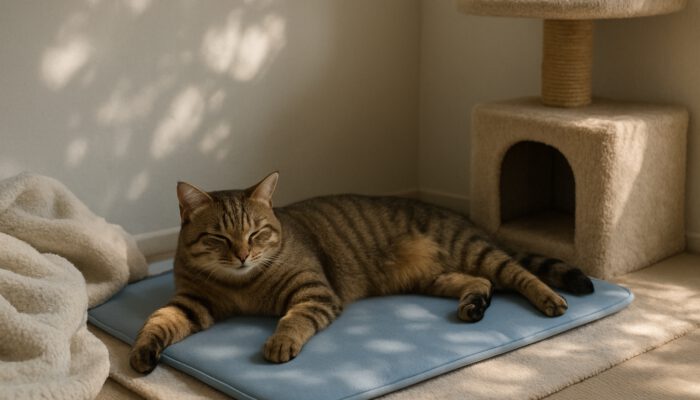
Creating shaded resting areas is an effective strategy for preventing heatstroke in cats. Cats instinctively seek out cool, shaded spots to escape the heat, making it essential for owners to provide such spaces at home. Using blankets, cat trees, or thoughtfully arranged furniture can establish comfortable, shaded retreats for their pets.
Experts recommend placing cool mats in these shaded areas to enhance comfort and recovery. These mats absorb heat from a cat’s body, providing a soothing surface for them to relax on. Ensuring that these resting spots are well-ventilated encourages airflow and keeps the area cool.
Offering a variety of shaded resting zones throughout the home allows cats to select their preferred spot. This flexibility is important, as individual cats may have specific preferences based on their personalities and needs. By creating these shaded retreats, owners can significantly reduce the risk of overheating and enhance their cats’ overall well-being.
How Can You Detect Early Signs of Heatstroke in Cats?
Observing Changes in Behaviour
Noticing alterations in behaviour is crucial for identifying early signs of heatstroke in cats. Changes such as reduced activity levels, excessive hiding, or unusual vocalisations can indicate that a cat is uncomfortable due to heat. Owners must remain attentive to these changes and respond quickly to ensure their cat’s safety.
When a cat becomes lethargic or displays disinterest in play, it may signify overheating. Providing a cooler environment and encouraging rest can alleviate these symptoms. Ensuring access to fresh water and shaded areas supports the cat’s natural cooling processes.
Making timely adjustments to the environment is vital for maintaining a cat’s comfort. If a cat shows signs of distress, swift action is necessary to cool the space. By recognising behavioural changes early, owners can prevent heatstroke and ensure their cats remain healthy and happy.
Assessing Gum Colour as an Indicator of Health
Checking a cat’s gum colour is an essential method for detecting potential heatstroke. Healthy gums should appear light pink. If the gums appear pale or bright red, this could indicate distress and overheating. Owners should regularly inspect their cat’s gum colour, especially during hot weather.
If a cat’s gums show any discolouration, immediate action is necessary. Gentle cooling techniques, such as applying a damp cloth to the cat’s body or relocating them to a cooler area, can help lower their temperature. Monitoring the gums until they return to a normal colour is crucial for the cat’s safety.
Regularly assessing gum colour can also help owners stay attuned to their cat’s overall health. Any changes in gum colour may signal other health issues, making this a valuable practice for pet owners. By being vigilant about gum colour, owners can take proactive steps to prevent heatstroke and support their cat’s well-being.
Observing Breathing Patterns for Signs of Distress
Monitoring variations in a cat’s breathing patterns is essential for recognising signs of heat stress. Rapid or laboured breathing can indicate that a cat is having difficulty coping with heat. Owners should closely observe their cat’s breathing, particularly during warm weather, to identify any concerning changes.
If a cat displays rapid breathing, it may signal overheating and the need for immediate cooling measures. Creating a calm, quiet environment away from heat sources can aid the cat’s recovery. Providing fresh water and encouraging rest can help normalise their breathing.
Establishing quiet, comfortable areas for cats to retreat is crucial for their recovery. Reducing stimulation and ensuring a cool environment can alleviate stress and support the cat’s natural recovery process. By monitoring breathing patterns, owners can take timely action to prevent heatstroke and safeguard their cat’s health.
Practical Strategies for Preventing Summer Heatstroke in Cats
What Is the Best Time for Cat Activities During Hot Weather?
Scheduling activities for cats during the cooler parts of the day is essential for preventing heatstroke. Cats are typically more active in the early morning and late evening when temperatures are lower. Owners should plan play sessions or outdoor adventures during these times to minimise exposure to excessive heat.
Engaging in activities during cooler hours aligns with a cat’s natural preferences for comfort and energy management. This approach reduces the risk of overheating and allows cats to enjoy play without the stress of high temperatures. Owners should keep an eye on the weather forecast and adjust their schedules as necessary.
To proper timing, providing shaded areas for outdoor activities enhances safety. Whether it’s a shaded patio or a covered spot in the garden, ensuring that cats have a cool place to retreat can help prevent overheating. By coordinating activities with cooler times and offering shaded areas, owners can effectively reduce the risk of heat-related issues.
Utilising Cooling Accessories to Enhance Your Cat’s Comfort
Incorporating cooling accessories can greatly improve a cat’s comfort during hot weather. Simple items like damp towels or cooling vests can provide immediate relief from the heat. Placing a damp towel on a cat’s back or offering a cooling vest can effectively lower their body temperature.
Strategically positioning fans in areas where cats rest can also enhance air circulation, creating a more comfortable environment and reducing the likelihood of overheating. Providing ice packs wrapped in towels offers a soothing cool surface for cats to lie on during hot days.
The benefits of using cooling accessories include promoting hydration, reducing stress, and enhancing overall comfort. Owners should ensure that any cooling items used are safe and suitable for their cats. By integrating these accessories into their care routine, owners can help prevent heatstroke and keep their feline companions comfortable.
- Damp towels for immediate cooling relief
- Cooling vests for outdoor activities
- Fans to improve air circulation
- Ice packs wrapped in towels for a soothing resting surface
- Shaded areas for comfortable lounging
- Cooling mats for relaxation
- Pet-safe cooling gel products
- Portable water bowls for hydration on the go
Adjusting Diets to Support Heat Management
Modifying your cat’s diet during the summer months can significantly assist with heat management. Offering lighter meals that are easier to digest can help reduce internal heat production. Owners should consider including wet food options, which have a higher moisture content, to keep their cats hydrated and cool.
Providing smaller, more frequent meals throughout the day can also promote digestion and prevent overheating. This strategy allows cats to maintain their energy levels without the burden of large meals that can lead to excess body heat. Owners should monitor their cat’s appetite and adjust feeding schedules accordingly.
Expert recommendations suggest incorporating safe fresh fruits and vegetables to provide additional hydration and nutrients. Options such as watermelon or cucumber can serve as refreshing treats during hot weather. By reviewing and adjusting their diet, owners can ensure their cats remain healthy and comfortable throughout the summer.
Staying Vigilant for Early Signs of Heat Stress
Regularly observing cats for signs of heat distress is crucial for preventing heatstroke. Symptoms like excessive panting, lethargy, or elevated body temperature should prompt immediate action. Owners must be vigilant, especially on scorching days, to ensure their cats do not suffer from heat-related conditions.
If a cat exhibits concerning symptoms, providing a cool environment and encouraging hydration is essential. Owners can use wet towels or cooling mats to help lower the cat’s body temperature. Monitoring their condition closely until they return to normal is vital for their safety.
By being proactive and attentive to these early symptoms, owners can prevent severe complications from heatstroke. Maintaining a comfortable environment and ensuring proper hydration are key strategies for promoting overall feline wellness during hot summer periods. Regularly checking in on their cats can help owners identify any issues early and act accordingly.
What Environmental Adjustments Can Help Prevent Overheating?
Evaluating Window Treatments for Effective Temperature Regulation
Assessing window coverings is a practical measure in preventing overheating in cats. Light-reflective barriers, such as blackout curtains or shades, can block direct sunlight and help maintain stable indoor temperatures. This is particularly critical in rooms where cats spend considerable time, as excessive heat can lead to discomfort and health risks.
Applying window films or reflective screens can also effectively reduce heat buildup. These options allow natural light to enter while minimising the associated heat. Owners should consider the orientation of their windows and adjust coverings accordingly to maximise their effectiveness.
Creating a comfortable indoor environment for cats involves keeping the temperature below 80°F (27°C). Owners can use thermometers to monitor indoor temperatures and adjust window treatments as needed. By evaluating and optimising window coverings, owners can significantly mitigate the risk of overheating for their feline companions.
Implementing Multiple Hydration Stations
Establishing multiple hydration stations throughout the home is an effective strategy for encouraging hydration in cats. This ensures that fresh water is easily accessible, reducing the likelihood of dehydration during hot weather. Placing bowls in various rooms motivates cats to drink more frequently, which is vital for their health.
Key benefits of using multiple water stations include improved hydration, reduced stress, and enhanced accessibility. Cats may prefer drinking from different locations, and offering several options caters to their individual preferences. Owners should ensure that water bowls are clean and filled with fresh water daily.
Experimenting with different types of bowls can also help determine what works best for each cat. Some cats may favour ceramic or stainless steel bowls over plastic ones. By providing multiple water stations and maintaining their cleanliness, owners can effectively support their cats’ hydration needs during the warmer months.
- Improved hydration with easy access
- Reduced likelihood of dehydration
- Encouraged frequent drinking habits
- Enhanced accessibility in various rooms
- Variety of bowl types to accommodate personal preferences
- Convenience for households with multiple pets
- Consistent supply of clean and fresh water
- Promotion of healthy drinking behaviour
Regulating Outdoor Time to Prevent Overheating
Managing outdoor exposure times is vital for preventing overheating in cats. Limiting the duration of their time outside allows for enrichment while minimising the risk of excessive heat. Owners should supervise outdoor activities and ensure that cats have access to shaded areas to retreat to when necessary.
Scheduling outdoor time during cooler parts of the day, such as early morning or late evening, can significantly reduce heat exposure. Brief, supervised outings can provide mental stimulation without the risks associated with prolonged outdoor time in hot weather. Owners should be vigilant about their cat’s behaviour and bring them indoors if they show any signs of distress.
Creating a safe outdoor environment involves providing shaded spots and ensuring access to fresh water. Owners should also be cautious about the surfaces cats walk on, as hot pavement can quickly lead to overheating. By managing outdoor exposure and closely monitoring their cats, owners can help prevent heat-related issues and ensure their pets remain safe.
Installing Cooling Mats or Tiles for Enhanced Comfort
Installing cooling mats or tiles in preferred resting areas is an effective method to help cats maintain lower body temperatures during warm periods. These mats offer a cool surface for cats to lie on, drawing excess heat away from their bodies. Placing these mats in shaded areas can enhance their effectiveness.
Ceramic tiles can also serve as a cooling surface for cats. Cats instinctively seek out cool spots to lie on, and providing these surfaces can assist them in regulating their body temperature. Owners should ensure that these mats or tiles are easily accessible in areas where their cats prefer to rest.
Utilising cooling mats or tiles not only enhances comfort but also promotes relaxation during warm weather. By creating a cool environment for their cats, owners can significantly lower the risk of overheating. Regularly checking the condition of these mats and keeping them clean will help maintain their effectiveness.
Daily Care Practices for Cats in Hot Weather
Establishing Consistent Grooming Routines
Establishing regular grooming routines is essential for caring for cats during hot weather. Frequent brushing helps remove excess fur, enhancing airflow across the skin and supporting the cat’s natural cooling abilities. This practice is particularly important for long-haired breeds, which may struggle more with heat regulation.
Grooming not only aids temperature control but also strengthens the bond between the cat and owner. It provides an opportunity for owners to check for any skin issues or abnormalities that may arise during the warmer months. Dedicating time for grooming sessions can become a soothing routine for both the cat and the owner.
During hot weather, owners should pay close attention to areas where mats or tangles may develop. Keeping the coat clean and free of debris is crucial for maintaining a cat’s comfort. By establishing consistent grooming habits, owners can support their cats’ overall health and well-being during the summer months.
Designating Calm Recovery Periods
Designating calm recovery periods is essential for cats during hot weather. Scheduling rest times in well-prepared cool areas allows cats to recharge fully after any activity. This practice helps prevent overheating and supports their natural recovery processes, ensuring they remain comfortable and healthy.
Creating a serene environment for recovery involves minimising noise and distractions. Owners should designate specific areas in the home where cats can relax without disturbances. Soft bedding and shaded spots can enhance comfort in these recovery zones, allowing cats to recuperate effectively.
Monitoring a cat’s activity levels and providing opportunities for rest is crucial. If a cat has been active, ensuring access to a cool, quiet space can help them recover without additional pressure from heat. By planning these calm recovery periods, owners can help their cats maintain their energy and overall well-being during hot weather.
Monitoring Dietary Changes
Observing changes in appetite is a critical aspect of caring for cats during warm weather. Cats may experience fluctuations in their eating habits due to heat, and regular observation can help owners address any declines in appetite. Ensuring that meals are appealing and easy to digest is vital for maintaining health and energy levels.
Offering smaller, more frequent meals can encourage cats to eat without being overwhelmed by large portions. Including wet food options can also provide additional moisture, which is crucial for hydration during hot months. Owners should keep a close eye on their cats and adjust feeding schedules based on their individual needs.
If a cat shows a significant decrease in appetite, it may indicate heat stress or other health concerns. In such cases, consulting a veterinarian is advisable to rule out any underlying issues. By monitoring appetite changes and making necessary adjustments, owners can help ensure their cats remain healthy and comfortable throughout the summer.
Frequently Asked Questions
What symptoms indicate heatstroke in cats?
Symptoms of heatstroke in cats include excessive panting, lethargy, drooling, rapid heartbeat, and discoloured gums. If you observe these signs, seek immediate cooling measures and veterinary assistance.
How can I help my cat stay cool during the summer?
To keep your cat cool, offer plenty of fresh water, create shaded resting areas, utilise fans, and consider cooling mats. Regular grooming can also help by removing excess fur.
Is it safe for cats to be outdoors in hot weather?
Cats can be outdoors in hot weather, but exposure should be limited. Supervised outdoor time during cooler hours and access to shaded areas are crucial to prevent overheating.
What should I do if my cat is panting heavily?
If your cat is panting heavily, move them to a cooler area, provide fresh water, and apply a damp cloth to their body. Monitor their condition closely and consult a veterinarian if symptoms persist.
How often should I check my cat’s temperature during the summer?
During summer, check your cat’s temperature regularly, especially if they show signs of discomfort. Aim for at least once a week or more frequently if temperatures are exceptionally high.
Can I use ice packs for my cat?
Yes, ice packs can be used, but always wrap them in a towel to avoid direct contact with your cat’s skin. This prevents frostbite and ensures a safe cooling method.
What types of water bowls are best for cats?
Ceramic or stainless steel bowls are often preferred as they are easy to clean and do not retain odours. Ensure bowls are shallow enough for easy access and regularly replenish them with fresh water.
How can I tell if my cat is dehydrated?
Signs of dehydration in cats include dry gums, lethargy, and decreased skin elasticity. If you suspect dehydration, encourage your cat to drink water and consult a veterinarian if symptoms persist.
Are certain breeds more susceptible to heatstroke?
Yes, brachycephalic breeds like Persians and Himalayans are more vulnerable to heatstroke due to their short noses, which can hinder effective breathing in hot conditions.
What is the best time for summer activities with my cat?
The optimal time for summer activities with your cat is during the early morning or late evening when temperatures are cooler. This minimises the risk of overheating during playtime.
Connect with Us on Facebook!
The Article Summer Heatstroke Prevention for Cats: Essential Tips First Published On https://elgatoencasa.com
The Article Heatstroke Prevention for Cats: Vital Summer Tips Was Found On https://limitsofstrategy.com
The Article Heatstroke Prevention for Cats: Essential Tips for Summer found first on https://electroquench.com