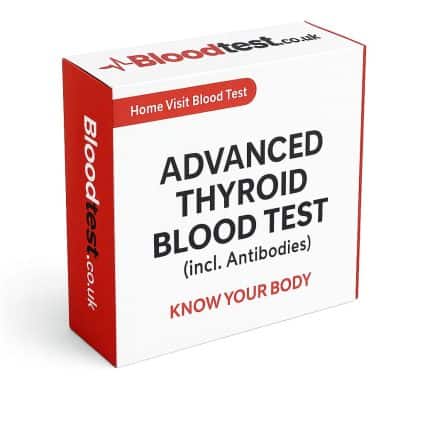
Gain Essential Knowledge About Thyroid Blood Tests
What Is the Function of a Thyroid Blood Test?
Understanding how to prepare for a thyroid blood draw is crucial, as a thyroid blood test acts as a vital diagnostic instrument for evaluating thyroid function. The thyroid plays a pivotal role in regulating metabolism through hormone production. According to NHS guidelines, these tests are fundamental in diagnosing various thyroid-related disorders, including hypothyroidism and hyperthyroidism. Familiarising oneself with the testing procedure is essential for patients, enabling them to anticipate what will occur and appreciate the significance of their test results. Adequate preparation can enhance diagnostic clarity and pave the way for more effective treatment options.

Key Elements of an In-Depth Thyroid Blood Test
The primary components of a thyroid blood test generally include evaluations of Thyroid Stimulating Hormone (TSH), T4 (thyroxine), and T3 (triiodothyronine) levels. Healthcare professionals across the UK, especially at GP surgeries, often advise patients to fast prior to testing and may recommend adjustments to medications to guarantee accurate results. The main markers assessed encompass:
- Thyroid Stimulating Hormone (TSH)
- Free Thyroxine (FT4)
- Free Triiodothyronine (FT3)
- Thyroid Antibodies (e.g., TPO antibodies)
- Total Thyroxine (TT4)
- Total Triiodothyronine (TT3)
These evaluations are crucial for providing insights into thyroid health and directing therapeutic decisions, ultimately improving patient care and outcomes.
How to Organise Your Medical History Before Testing
Compiling a thorough medical history is an essential preparatory measure before undergoing a thyroid blood test. Patients should gather detailed information about their personal health issues and any family history of thyroid-related diseases. This information is crucial as it aligns with UK medical standards, allowing healthcare providers to interpret test results accurately. A well-organised medical history can significantly influence the diagnostic journey by offering important context for laboratory findings, ensuring that patient care is tailored to individual needs.
How to Interpret Your Thyroid Blood Test Results
In the UK, medical professionals evaluate thyroid blood test results against established reference ranges, adhering to NHS guidelines. For instance, normal TSH levels typically range from 0.4 to 4.0 mIU/L, although interpretations may vary based on the patient's unique symptoms and health background. If results indicate potential thyroid issues, clinicians may recommend further evaluations or additional tests, emphasising the need for meticulous preparation and testing protocols to ensure accurate health assessments.
The Critical Role of Preparation for Accurate Test Outcomes
Why Is Timing Essential for Blood Draws?
Scheduling your blood draw in the early morning is vital for obtaining precise thyroid hormone levels. Endocrinologists across the UK widely endorse this approach, as hormone levels, especially TSH, can vary significantly throughout the day. Morning tests typically yield more consistent results due to reduced variability caused by daily activities, thus enhancing diagnostic accuracy. By adhering to this timing recommendation, patients can greatly influence the reliability of their test results, contributing to improved health management.
What Factors Can Influence Hormone Levels?
Many elements can affect thyroid hormone levels leading up to the test. Factors such as diet, stress, and medications can significantly impact outcomes, and UK health authorities urge patients to be mindful of these variables. For example, consuming iodine-rich foods or experiencing high stress shortly before the test can distort results. By optimising these factors, patients can achieve a more accurate representation of their thyroid function, facilitating effective treatment strategies tailored to their unique health needs.
What Common Preparation Mistakes Should You Avoid?
Many patients unintentionally compromise the reliability of their thyroid blood tests by making prevalent preparation errors. For instance, inconsistent adherence to medication regimens can significantly affect hormone levels. According to guidelines from the British Thyroid Foundation, patients must maintain a regular schedule for their thyroid medications in the days leading up to the test. Other common pitfalls include an unregulated diet and neglecting to follow fasting instructions, resulting in inaccurate results that may necessitate retesting and additional complications.
Best Practices for Effective Preparation for a Thyroid Blood Draw
What Expert Recommendations Exist for Effective Preparation?
Insights from UK endocrinologists highlight several best practices for adequately preparing for a thyroid blood draw. Initially, patients should consult their healthcare provider regarding any medications they are currently taking, as some may require temporary adjustments. Furthermore, maintaining a balanced diet in the days leading up to the test is crucial. Avoiding processed foods and focusing on whole, unrefined options can assist in stabilising hormone levels. Additionally, ensuring adequate rest the night before the test can enhance overall accuracy and promote positive health outcomes.
What Advanced Dietary Preparation Strategies Can Be Employed?
Advanced preparation techniques involve implementing specific dietary modifications recommended by UK health clinics. For example, patients should consider avoiding iodine-rich foods, such as seafood or certain types of salt, prior to blood draws. This evidence-based approach has proven effective in improving test accuracy, as excessive iodine intake can artificially elevate thyroid hormone levels. By incorporating these strategies into daily habits, patients can not only optimise test results but also promote overall thyroid health, facilitating effective management of thyroid conditions.
How to Monitor Symptoms Leading Up to the Test
Tracking thyroid-related symptoms is a key preparatory step aligned with UK expert protocols. Patients should attentively observe signs such as fatigue, weight fluctuations, and changes in mood or energy levels. This self-monitoring provides critical context for healthcare providers when interpreting test results, ensuring a comprehensive understanding of the clinical picture. Moreover, being aware of these symptoms may prompt necessary discussions regarding thyroid health management and related conditions.
What Professional Insights Exist on Medication Management?
Expert recommendations regarding medication management prior to a thyroid blood draw stress the significance of timing and dosage accuracy. UK endocrinologists frequently advise patients to pause or modify specific thyroid medications in the days leading up to testing to prevent skewed results. For instance, if a patient takes a medication such as levothyroxine, consulting with their healthcare provider about the appropriate course of action is crucial to ensure accurate measurement of TSH and T4 levels during testing.
Evidence-Based Techniques for Preparing for a Thyroid Blood Draw
What Dietary Changes Should Be Implemented?
Research conducted in the UK indicates that dietary modifications can effectively stabilise thyroid hormone levels prior to blood tests. Patients have reported positive outcomes by reducing their intake of foods such as soy products, which may interfere with hormone absorption. Additionally, excluding iodine-rich fortified foods has shown potential in enhancing accuracy. Real-life patient experiences illustrate that mindful dietary choices can significantly impact the reliability of test results, leading to clearer assessments of thyroid function.
How Does Medication Management Influence Test Results?
The importance of managing medications cannot be underestimated, particularly in light of UK research suggesting that some medications may need to be paused to optimise test accuracy. Patients must adhere to local health authority guidelines and maintain transparent communication with their healthcare provider regarding any medications they are taking. This proactive approach not only helps secure precise results but also minimises the risk of false readings that could lead to unnecessary treatments.
Why Is Hydration and Lifestyle Consideration Important?
Maintaining proper hydration is a straightforward yet effective strategy to prepare for successful blood draws. Clinical studies in the UK support the notion that adequate hydration can enhance blood volume, making blood collection easier and reducing patient anxiety. Incorporating hydration into daily habits, alongside lifestyle practices such as moderate exercise and stress-reduction techniques, fosters an environment conducive to accurate testing. These integrative strategies not only prepare patients for blood draws but also promote their overall health and well-being.
What Is the Optimal Timing for Thyroid Blood Draws?
Establishing the best timing for thyroid blood draws is crucial for ensuring precise hormone level measurements. Research findings from the UK indicate that early morning testing typically yields the most reliable results, particularly for TSH levels. Personal testimonials from individuals who adhered to this schedule suggest significant improvements in test accuracy. By scheduling appointments appropriately, patients can greatly enhance the diagnostic process, thereby improving the management of thyroid-related conditions.
What Stress Management Techniques Should You Consider?
Stress significantly affects thyroid function, and evidence from the UK suggests that heightened stress levels can distort blood test results. Patients are encouraged to adopt effective stress-reduction techniques, such as mindfulness practices, yoga, or deep-breathing exercises. These strategies not only promote a calmer state of mind before testing but also support overall thyroid health. Illustrative case studies from UK patients demonstrate that managing stress can improve test accuracy, enhancing health management.
Avoiding Common Preparation Mistakes
How Does Overeating Impact Test Results?
Overeating can substantially affect thyroid markers, potentially triggering fluctuations in hormone levels that do not accurately reflect a patient's usual state. UK health education stresses the importance of consuming a balanced meal prior to testing while discouraging excessive food intake. Patients should aim for moderation to maintain stable thyroid levels, thereby avoiding this common error and ensuring reliable test outcomes.
Why Is It Important to Follow Medication Instructions?
Neglecting medication instructions can have significant consequences for test accuracy, particularly in the UK, where adherence to prescribed protocols is essential. Patients should diligently follow specific guidelines, including:
- Taking medications consistently at the same time each day
- Ensuring no doses are missed in the days leading up to the test
- Consulting with a healthcare professional regarding any necessary adjustments
- Being aware of potential interactions with other medications
Such diligence is crucial in preventing inaccuracies during testing, which could lead to misdiagnosis or inappropriate treatment plans that may negatively impact patient health.
How Does Insufficient Rest Affect Outcomes?
Inadequate sleep and lack of relaxation can skew the results of thyroid function tests. UK wellness programmes advocate for sufficient rest as a critical component of preparation. Patients should establish effective pre-test routines that include ensuring they get enough sleep the night before, as well as incorporating relaxation techniques to alleviate anxiety levels. Addressing these factors not only enhances test accuracy but also improves overall health and well-being.
Steps to Take After the Blood Draw
How to Interpret Your Test Results
After the blood draw, UK laboratories analyse and interpret thyroid test results following established protocols. Patients are encouraged to discuss these results with their GP to clarify their health implications. Open communication with healthcare providers ensures that patients are well-informed about their thyroid health and any necessary follow-up actions required for effective management.
When Is It Necessary to Seek Further Assistance?
There are specific circumstances in which patients should pursue additional guidance from UK healthcare services following testing. For instance, if results indicate abnormal findings, such as elevated TSH levels, immediate consultation is vital to ensure proper follow-up and management. Taking proactive steps in these scenarios can significantly enhance health outcomes and overall well-being, reinforcing the importance of timely medical advice.
How to Ensure Long-Term Thyroid Well-Being
Ongoing strategies recommended by UK guidelines underscore the importance of regular monitoring to support long-term thyroid health. Patients should engage in routine follow-ups with their healthcare provider to assess thyroid function and make necessary modifications to their treatment plans. Adopting a holistic approach to thyroid health not only aids in managing existing conditions but also promotes overall well-being, fostering a proactive attitude towards health.
What Post-Procedure Care Is Necessary?
After a blood draw, immediate post-procedural care is essential for facilitating a swift recovery. Patients are advised to manage any bruising, rest adequately, and observe the puncture site for any signs of infection. Consulting their GP is recommended if complications arise, in alignment with NHS guidance. This proactive approach supports healing and contributes to the overall success of the testing process, ensuring that patients feel secure and well-cared for.
Frequently Asked Questions
What Foods Should I Consume Before a Thyroid Blood Test?
It is generally recommended to eat a light, balanced meal before the test. Avoiding iodine-rich foods can help maintain accurate hormone levels and ensure reliable test results.
How Long Should I Fast Before a Thyroid Blood Test?
Fasting for at least 8 hours before a thyroid blood test is usually advised to ensure reliable results, although specific instructions may vary by clinic. It is crucial to adhere to your healthcare provider’s guidance.
Can I Continue Taking My Thyroid Medication Before the Blood Test?
It is essential to follow your doctor’s advice concerning medications. Some medications may need to be adjusted or temporarily paused before testing to guarantee accurate results.
What Is the Best Time of Day for a Thyroid Blood Draw?
Morning appointments are preferred because hormone levels, particularly TSH, are generally more stable during these hours, leading to more accurate assessments.
What Factors Influence Thyroid Test Results?
Factors such as diet, stress levels, medication adherence, and the timing of the test significantly affect thyroid hormone levels and the accuracy of test results.
How Frequently Should I Monitor My Thyroid Levels?
The frequency of testing varies based on individual health conditions; however, regular monitoring is typically advised, usually every 6-12 months, or as directed by your healthcare provider.
What Symptoms Suggest Thyroid Issues?
Common symptoms include fatigue, weight fluctuations, mood swings, and changes in hair or skin texture, all of which warrant further investigation if they persist.
How Can I Manage Stress Prior to a Blood Test?
Implementing techniques such as mindfulness, deep-breathing exercises, and light physical activity can help reduce anxiety before testing, contributing to a smoother experience.
What Should I Do If My Test Results Are Abnormal?
Discussing abnormal results with your healthcare provider is crucial to determine the next steps, which may involve further testing or treatment adjustments to address underlying issues.
Is There Any Aftercare Required Following a Blood Draw?
Post-procedural care includes monitoring the puncture site, ensuring adequate rest, and seeking medical advice if complications arise to support a smooth recovery.
Connect with us on Facebook!
This Article Was First Found On https://bloodtest.co.uk
The Article Thyroid Blood Draw: Essential Steps for Successful Preparation Was Found On https://limitsofstrategy.com