If you are a contact lens wearer, it is crucial to be aware of the various harmful habits that can develop during the use of these lenses. Common practices, such as sleeping in contact lenses and not following proper disinfection protocols, can lead to serious complications, including severe eye infections like conjunctivitis. Taking care of your lenses is vital for maintaining not only your eye health but also ensuring that you have the clear vision necessary for daily activities.
To assist you in avoiding these pitfalls, we have compiled a crucial list of bad contact lens habits that you must avoid at all costs. By adhering to these practical recommendations, you can protect your eyes and enhance your vision while enjoying the numerous benefits that contact lenses provide.
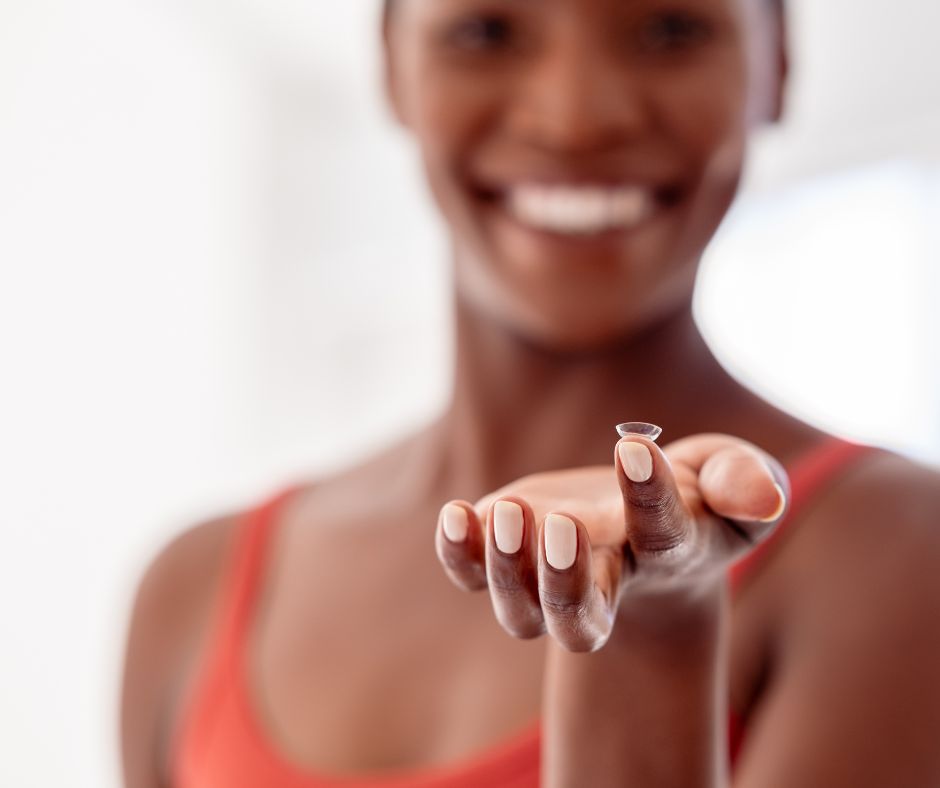
1. Ensure Optimal Eye Health by Never Sleeping in Your Contact Lenses
While some contact lenses are designed for extended wear, fostering the habit of sleeping in your contact lenses can lead to considerable risks. Resting with your lenses in can result in severe complications, including corneal ulcers, infections (such as conjunctivitis), and inflammation. This occurs because your eyes receive less oxygen while you sleep, creating a favourable environment for bacteria to thrive on both your lenses and your eyes.
Furthermore, sleeping in your lenses can lead to dryness, making them uncomfortable to wear and increasing the risk of damage or tearing. Always ensure that you remove your contacts before going to bed, even if you believe you will be resting for just a brief period.
Consider Switching to Daily Disposable Lenses: If you often find yourself dozing off with your contacts in, daily disposable lenses may be the perfect solution. These lenses are discarded at the end of each day, ensuring that you never wear yesterday's lenses, allowing you to start each day with fresh, clean lenses. Explore our extensive range of daily disposable lenses available in our online store.
Moreover, consult your Optometrist for options that may be better suited for extended wear. Always adhere to the recommended wearing and replacement schedules for your lenses, and ensure they are cleaned and stored correctly to prevent any potential complications.
If you wear extended-wear lenses and notice sudden changes in your vision or comfort, seek an eye examination without delay. Regular visits to your Optometrist can help identify and prevent future eye issues.
2. Acknowledge the Risks of Wearing Your Contacts Beyond Recommended Timeframes
Another detrimental habit is wearing your contacts for too long beyond the duration advised by your Optometrist. Your eye care professional typically provides guidelines on how long to wear your lenses each day, and sticking to these recommendations is crucial for safeguarding your eye health.
Overwearing your contacts can lead to numerous issues, with dry eyes being one of the most prevalent. This condition can cause discomfort, irritation, and even damage to your corneas. Additionally, prolonged use of your lenses increases the risk of eye infections or other complications, as contaminants such as bacteria, dirt, and debris accumulate on your lenses over time.
The Benefits of Daily Lens Use: Choosing daily disposable lenses effectively removes the concern of wearing the same pair of lenses for too long. Each day, you receive a fresh, clean lens that ensures optimal oxygen permeability. This feature is especially appealing for individuals with busy lifestyles who might otherwise be tempted to extend their wearing time.
Our online store offers a wide variety of contact lenses tailored to different wearing schedules and lifestyle needs, including daily, bi-weekly, and monthly lenses.
3. Master the Essential Steps for Proper Cleaning of Your Contact Lenses
Maintaining appropriate cleaning and disinfection procedures is vital for keeping your contact lenses free from debris and bacteria. Poor cleaning habits are one of the leading causes of lens-related eye infections.
Here’s a step-by-step guide to cleaning your contacts correctly:
- Start by thoroughly washing your hands using soap and water.
- Place your lens in the palm of your hand and add a few drops of contact lens solution.
- Gently rub the lens with your fingertip to eliminate any debris or protein buildup.
- Rinse the lens thoroughly with the solution before placing it back in your case.
Always utilise the specific type of solution recommended by your Optometrist, and replace the solution each time you clean your lenses. Never reuse old solutions or attempt to “top off” the solution with fresh liquid.
Pro Tip: Our contact lens tweezers, available in our online store, can assist you in handling your lenses in a safer and more hygienic manner, significantly reducing the risk of contamination.
Consider Skipping the Cleaning Routine Entirely: Many contact lens users are transitioning to daily disposable lenses specifically to bypass the cleaning routine altogether, thereby reducing the risk of infection. With daily lenses, you simply dispose of them at the end of the day—no cleaning, no solution, and no storage case required. This approach significantly decreases your chances of developing infections linked to improper lens care.
If you are uncertain about how to clean your contacts properly or are experiencing discomfort, schedule an appointment with your Optometrist for expert guidance. They can offer tailored instructions and recommendations based on your specific type of lenses and individual eye health needs.
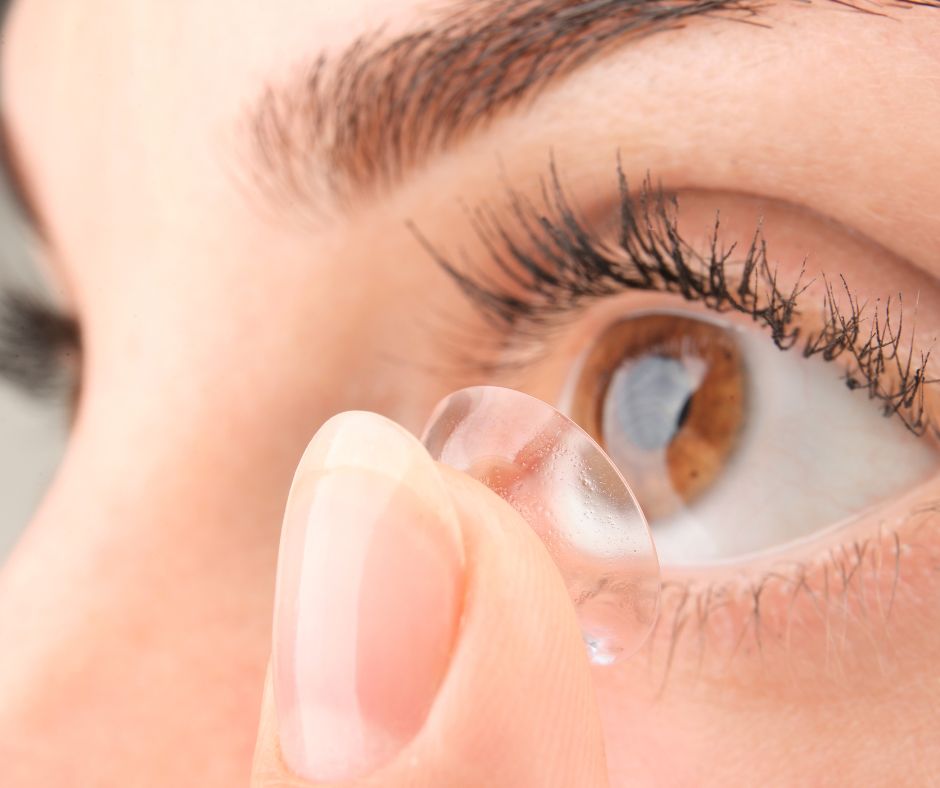
4. Understand Why Swimming with Contacts Poses Significant Risks
Engaging in swimming with contacts is a practice that you should definitely avoid. Contact lenses can absorb water, leading to numerous complications. Water can harbour bacteria, viruses, and other microorganisms that pose a serious risk of eye infections, including a particularly dangerous parasite known as Acanthamoeba, which can cause severe keratitis.
The risks intensify in warmer water temperatures and in humid environments, such as saunas.
If you require corrective lenses while swimming, consider using prescription goggles or a swim mask instead of your contacts. Prescription goggles are specifically designed for aquatic activities and provide clear vision while protecting your eyes from water and other irritants.
If you decide to wear your contacts while swimming, adhere to the following precautions:
- Wear goggles or a swim mask to safeguard your eyes from water and irritants.
- Immediately remove your contacts after swimming, then clean and disinfect them thoroughly before reapplying (or, if using daily lenses, discard them right away).
- If you notice redness, pain, or any other symptoms after swimming with your contacts, contact your Optometrist immediately.
An eye examination can determine the appropriate treatment and help you recover swiftly while avoiding any further complications.
5. Recognise Why Using Water to Clean Your Contacts is a Major Mistake
It is critical to never use water to clean your contacts. Water can contain harmful microorganisms such as bacteria, fungi, and parasites that pose a significant risk of severe eye infections. These microorganisms can cling to your contact lenses, leading to inflammation and potentially serious conditions that threaten your vision.
Moreover, tap water may contain minerals and chemicals that can leave deposits on your contacts, compromising their clarity and comfort.
Always use a contact lens solution recommended by your Optometrist. This solution is specifically formulated to clean and disinfect your lenses, effectively removing debris and buildup without introducing harmful microorganisms into your eyes.
A Hassle-Free Option: If you are concerned about proper lens cleaning or find yourself in situations where you lack access to suitable contact lens solution, daily disposable lenses are your ideal solution. You won’t need to worry about cleaning—just wear them for the day and discard them. Keep extra pairs on hand by ordering through our online store.
6. Understand the Risks Associated with Sharing Contact Lenses
Contact lenses are classified as medical devices and are specifically prescribed for your unique eye and vision needs. Allowing someone else to wear your contacts, or wearing someone else's, can introduce harmful bacteria and microorganisms into your eyes, resulting in infections like conjunctivitis, inflammation, and other serious eye complications.
Moreover, sharing contacts can lead to additional problems, such as corneal abrasions or scratches, which can cause significant pain and discomfort.
If you know someone who requires corrective lenses, encourage them to consult an Optometrist and obtain their own prescription for contact lenses. This is the safest and healthiest option for their eye and vision needs. Never share your contacts with anyone, even if they seem to have similar vision requirements or wear the same type of lenses.
7. Identify the Dangers of Using Expired Contacts or Cleaning Solutions
Contact lenses and cleaning solutions come with expiration dates for a significant reason. Over time, the effectiveness of solutions can diminish, and lenses can become uncomfortable and potentially unsafe for use.
Expired contact lenses may become brittle or dehydrated, leading to discomfort, and they might also harbour bacteria or other microorganisms that can cause eye infections. Likewise, expired cleaning solutions may not adequately remove debris or microorganisms from your lenses, increasing the likelihood of irritation and infections.
Always check the expiration date on your contacts and cleaning solutions before using them. If either has expired, dispose of them and purchase a new supply. When you order contact lenses from our online store, you can expect fresh lenses with optimal expiration dates, ensuring safe and comfortable wear.
It is also essential to follow the recommended storage guidelines for your lenses and solutions, replacing them as advised by your Optometrist.
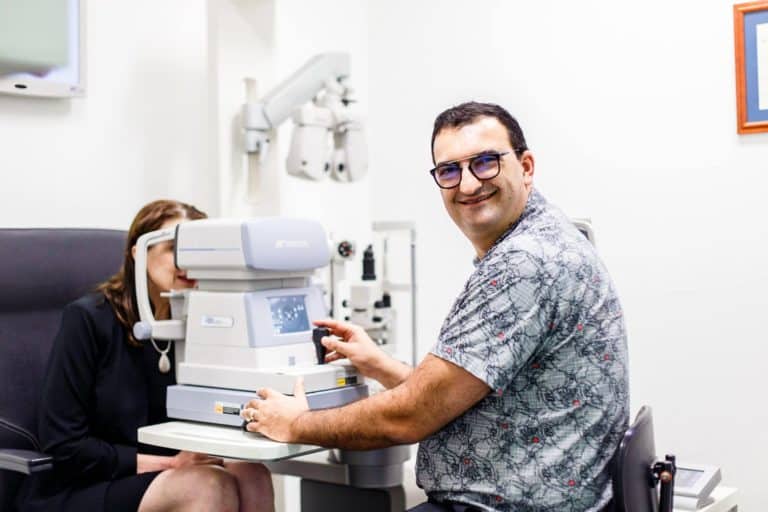
8. Discover Why Regular Eye Exams Are Essential for Optimal Vision Health
Regular eye exams are crucial for maintaining your eye health and ensuring clear vision. During an eye exam, your Optometrist can identify and diagnose various eye diseases, such as cataracts and macular degeneration, as well as other conditions that could impact your eyesight and overall health.
Early detection and treatment of eye issues can be vital in preventing vision loss and other complications, significantly enhancing your quality of life. It is advisable to undergo a comprehensive eye exam every two years, or more frequently if you have a history of eye problems or specific health conditions that increase your risk.
Regular eye exams are particularly important for contact lens wearers, as your Optometrist can monitor for signs of complications from lens usage and ensure your prescription remains accurate.
Explore the Advantages of Daily Disposable Lenses for Convenience and Safety
Throughout this article, we have highlighted the benefits of daily disposable lenses as a solution to many common contact lens problems. Here are several reasons why many individuals are switching to this convenient option:
- No cleaning required – This eliminates the risk of improper cleaning and disinfection.
- No storage needed – Forget about cases, solutions, and hassle.
- Reduced infection risk – Fresh, sterile lenses every day significantly lower your chances of eye infections.
- Convenience – Perfect for travel, sports, and busy lifestyles.
- Comfort – No protein buildup or debris accumulation throughout the day.
- Ideal for occasional wear – Use only what you need.
Daily disposable lenses effectively address many of the detrimental habits discussed in this article by eliminating the need for cleaning, proper storage, and strict wearing schedules. They serve as an excellent choice for anyone struggling with contact lens hygiene or seeking the most convenient and healthiest option available.
Explore our selection of daily disposable lenses in our online store to find the perfect fit for your lifestyle.
Make Informed Choices and Enhance Your Vision with Eyes by Design
The proper care of your contact lenses is essential for maintaining healthy eyes and clear vision. By avoiding these common bad habits, you can ensure safe, comfortable contact lens wear while significantly reducing your risk of developing eye infections and complications.
If you need to restock your contact lenses or are searching for useful accessories like contact lens tweezers, visit our online store for easy ordering and delivery. Should you notice any changes in your vision, experience eye redness, discharge, or other symptoms that could indicate an infection, schedule an appointment with your Optometrist without delay.
The Article: Bad Contact Lens Habits to Leave Behind first appeared on https://writebuff.com
The Article Contact Lens Habits You Should Stop Now Was Found On https://limitsofstrategy.com