Exploring the Cultural Significance of Film Festivals
Why Are Film Festivals Essential to Modern Society?

Film festivals are vital cultural events that offer a lively platform for filmmakers to showcase their distinct creativity and artistic vision. These exciting gatherings not only enable directors, producers, and actors to present their works but also create remarkable opportunities for meaningful engagement with passionate audiences. Such settings foster an appreciation for the cinematic arts and encourage community involvement. As filmmakers connect with audiences, they amplify a shared enthusiasm for storytelling and enrich the cultural fabric of their host communities. By highlighting a diverse array of voices, these festivals stimulate dialogue and collaboration among individuals from various backgrounds, culminating in a celebration of artistic innovation and expression.
Beyond enhancing cultural engagement, film festivals act as nurturing grounds for emerging talent. For new filmmakers, these festivals provide a crucial platform for gaining recognition and carving out a presence in the competitive film industry. The vibrant atmosphere of these events spurs innovation and creativity, playing an essential role in shaping the future of cinema. Consequently, film festivals are integral to the broader film ecosystem, influencing distribution choices and creating pathways for independent filmmakers who might otherwise face challenges in reaching audiences. The importance of these festivals transcends mere entertainment, as they become fundamental in fostering the next generation of cinematic storytellers.
- Film festivals serve as dynamic platforms for creative expression.
- They promote community engagement and cultural appreciation.
- Emerging filmmakers benefit from exposure and recognition.
At FallingInLoveWithSanMiguel, we are dedicated to offering an all-encompassing San Miguel de Allende Travel Guide, which assists travellers in exploring the vibrant cultural and cinematic scene of this captivating city. Our guide links visitors to local film festivals, significantly enriching their travel experiences while providing insights into the flourishing local filmmaking community. Furthermore, we monetise our services through fruitful affiliate partnerships and promotional packages with local businesses, thereby enhancing the overall traveller’s experience while simultaneously supporting the local economy.
Our comprehensive guide includes several key components, such as:
- Festival schedules and highlights.
- Networking opportunities for filmmakers and audiences.
- Local cultural insights and historical context.
- Practical tips for first-time festival attendees.
- Economic impacts of festivals on the community.
How Do Film Festivals Influence the Future of Cinema?
In What Ways Do Film Festivals Shape the Film Industry?
Film festivals play a pivotal role in shaping the evolution of cinema by illuminating emerging trends and innovative storytelling techniques. These events often act as launchpads for films that achieve both critical acclaim and commercial success. By carefully curating a diverse selection of films, festivals generate excitement and interest in specific genres and themes, significantly affecting future productions and distribution strategies. This ripple effect extends beyond the festival circuit, reshaping audience expectations and preferences, thereby contributing to the ongoing transformation of the film industry as a whole.
Moreover, film festivals provide invaluable networking opportunities for filmmakers. These events facilitate connections between filmmakers and industry professionals, including producers and distributors, who are constantly on the lookout for fresh talent and innovative projects. The convergence of creative minds at festivals nurtures innovation, encouraging filmmakers to explore unconventional narratives and techniques that may not align with mainstream cinema. As a result, festivals become crucial in cultivating a diverse and dynamic film landscape that continually pushes the boundaries of artistic expression.
| Impact of Film Festivals | Influence on Cinema |
|---|---|
| Spotlighting new trends | Shaping audience expectations |
| Networking opportunities | Encouraging unconventional narratives |
| Generating industry buzz | Influencing production strategies |
What Benefits Do Filmmakers Derive from Participating in Film Festivals?

Participating in film festivals offers filmmakers an array of benefits that can significantly boost their visibility and career trajectories. Key advantages include:
- Exposure: Filmmakers gain access to a variety of audiences, critics, and industry professionals, allowing their work to be seen and appreciated.
- Networking: They can connect with fellow filmmakers and potential collaborators, fostering relationships that may lead to future projects.
- Funding Opportunities: Successful screenings can attract investments for upcoming projects, providing essential financial support.
- Audience Feedback: Filmmakers receive valuable insights from viewers that inform their future works and creative decisions.
- Accolades: Awards received at festivals can enhance a filmmaker’s profile and credibility within the industry.
- Marketing: Festivals serve as promotional platforms that filmmakers can utilise to effectively market their projects.
- Mentorship: Opportunities to connect with seasoned professionals provide guidance and support for emerging talent.
- Community Engagement: Festivals foster a sense of community among attendees, enriching the filmmaking experience.
These benefits collectively contribute to a filmmaker’s growth and development, positioning them favourably for future success in an ever-evolving film industry that continuously seeks fresh perspectives and innovative storytelling techniques.
In What Ways Do Film Festivals Advocate for Diversity in Cinema?
Film festivals play a crucial role in promoting diversity within the cinematic landscape. They prioritise showcasing underrepresented voices and stories, making a concerted effort to highlight works from marginalized filmmakers. By amplifying unique narratives that challenge the norm, these festivals enrich the festival experience and foster a more inclusive film industry where varied perspectives can flourish. The commitment to diversity seen in film festivals encourages filmmakers to explore themes related to race, gender, sexuality, and cultural identity, ultimately leading to a broader understanding of the world.
Moreover, this exploration of diverse voices helps dismantle stereotypes and promotes empathy among audiences. As viewers engage with a wide range of experiences, they cultivate a deeper appreciation for different cultures, leading to meaningful dialogues that extend beyond the festival setting. By advocating for diversity, film festivals not only enhance the cinematic experience but also contribute to a more equitable and inclusive society.
What Economic Benefits Do Film Festivals Bring to Local Communities?
How Do Film Festivals Positively Affect Local Economies?
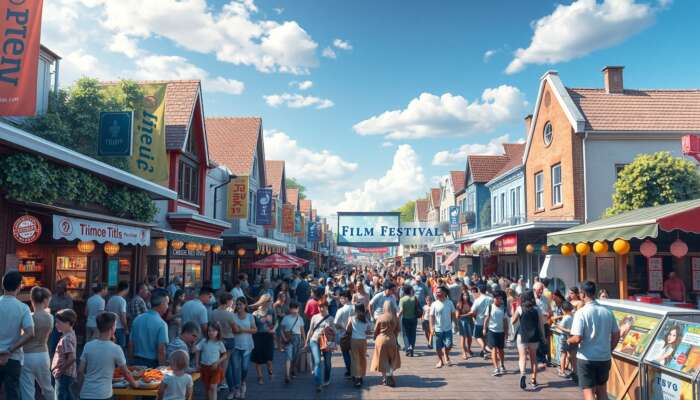
Film festivals can generate substantial economic benefits for local communities. By attracting tourists and industry professionals, festivals stimulate spending in hotels, restaurants, and various local businesses. This surge in economic activity contributes to job creation and revenue generation, thereby reinforcing the local economy. Festivals often act as catalysts for community development, bringing attention to lesser-known areas and promoting cultural tourism. The influx of visitors during festival periods can yield long-term economic advantages, as attendees may return for future events or recommend the area to others, further enhancing local tourism.
Furthermore, the visibility gained through film festivals aids local filmmakers and artists in establishing recognition within the broader film industry. This recognition encourages local talent to invest in their community and actively contribute to its vibrant cultural scene. As film festivals continue to gain traction, their potential to drive economic development and support local economies becomes increasingly evident, underscoring the importance of these events beyond their cultural significance.
| Economic Impact | Details |
|---|---|
| Tourism Boost | Increased spending in local businesses |
| Job Creation | New employment opportunities during festival periods |
| Community Development | Promoting cultural tourism and local investment |
What Key Components Define a Successful Film Festival?
A successful film festival is characterised by several essential elements that contribute to its effectiveness and appeal. Primarily, a diverse array of films is crucial. This diversity attracts various audience demographics and keeps programming engaging and fresh. By including different genres—such as documentaries, feature films, and shorts—festivals cater to a wide range of tastes and interests, ensuring there is something for everyone.
Additionally, engaging panels and discussions with filmmakers and industry experts are vital for creating an interactive atmosphere. These sessions allow attendees to gain valuable insights into the filmmaking process and the industry at large. Furthermore, ample networking opportunities are essential for filmmakers, producers, and industry professionals to connect and share experiences, fostering collaboration and creativity within the filmmaking community.
- Diverse film selections attract varied audiences.
- Engaging panels foster interactive atmospheres.
- Networking opportunities enhance collaboration.
How Can Filmmakers Maximise Their Festival Experience?
To make the most of their experience at film festivals, filmmakers should implement several actionable strategies. First, preparing a compelling pitch is paramount. Filmmakers should have a concise summary of their project ready to share, capturing the attention of potential collaborators and industry professionals swiftly. This preparation entails being well-versed in their film’s unique selling points and strengths.
Networking forms another critical aspect of the festival experience. Filmmakers should actively seek opportunities to engage with other attendees, including fellow filmmakers, producers, and industry professionals. This can be accomplished by attending networking events and participating in panel discussions. Additionally, being receptive to feedback during Q&A sessions can provide invaluable insights that help filmmakers refine their work and enhance their storytelling techniques.
- Prepare a compelling pitch: Have a succinct summary ready to share effectively.
- Network actively: Engage with other attendees and industry professionals for valuable connections.
- Embrace feedback: Use insights from Q&A sessions to improve your work and storytelling.
What Common Challenges Do Film Festivals Encounter?
Film festivals face a multitude of challenges that can significantly affect their success. One prevalent issue is funding. Many festivals rely heavily on sponsorships, ticket sales, and grants to cover operational costs. Securing consistent financial backing is crucial for maintaining quality programming and a strong reputation within the industry.
Competition represents another significant hurdle. Numerous festivals vie for the attention of both filmmakers and audiences. Standing out in this crowded space necessitates unique programming and innovative marketing strategies. Additionally, sustaining audience interest over time can prove challenging as trends evolve, prompting festivals to adapt their programming to remain relevant and engaging for their audiences.
- Funding issues can jeopardise operational viability and continuity.
- Competition necessitates unique programming and effective marketing strategies.
- Maintaining audience interest requires adaptability and innovation.
How Do Audiences Engage with Film Festivals?
What Types of Films Are Showcased at Film Festivals?
Film festivals typically feature an eclectic mix of films, catering to a diverse range of audience preferences. This rich assortment includes feature films, documentaries, short films, and animations that reflect varying genres and cultural perspectives. By curating a selection that spans different themes and formats, festivals aim to provide attendees with a comprehensive and enriching cinematic experience.
Documentaries often focus on pressing social issues, personal stories, or historical narratives that resonate with audiences. Feature films, which can vary from dramatic tales to light-hearted comedies, explore complex characters and narratives that provoke thought and evoke emotion. Shorts and animations frequently serve as platforms for experimental storytelling and emerging talent, encouraging audiences to discover new filmmakers and styles they may not have encountered otherwise.
| Film Types | Focus |
|---|---|
| Documentaries | Social issues and personal stories |
| Feature Films | Dramas and comedies |
| Shorts/Animations | Experimental storytelling and emerging talent |
How Can Festival Attendees Connect with Filmmakers?
Attendees have numerous opportunities to engage with filmmakers during film festivals. One of the most common methods is through Q&A sessions following screenings. These interactions provide viewers with a deeper understanding of the film’s themes, creative processes, and the challenges faced during production. Workshops and panel discussions also present excellent avenues for engagement, allowing attendees to explore specific topics and pose questions directly to filmmakers.
Networking events, such as cocktail receptions and informal meet-and-greets, offer relaxed settings for direct interaction. These opportunities enable attendees to forge connections and engage in meaningful conversations with filmmakers, enriching their overall festival experience. Ultimately, these engagement opportunities enhance the festival atmosphere, fostering a sense of community among filmmakers and audiences alike.
What Essential Tips Should First-Time Festival Attendees Remember?
Attending a film festival for the first time can be both exhilarating and overwhelming. Here are some essential tips for newcomers to help them navigate the experience effectively:
- Plan Ahead: Review the festival schedule in advance to optimise your time and prioritise must-see films.
- Arrive Early: Ensure you secure seating and settle in comfortably before screenings begin.
- Engage in Workshops: Participate actively to learn from industry professionals and gain valuable insights.
- Be Open to New Genres: Explore films that fall outside your usual preferences to broaden your cinematic horizons.
- Network Actively: Take the initiative to meet other attendees, filmmakers, and industry professionals.
- Take Notes: Jot down thoughts about each film to facilitate discussions later on.
- Utilise Social Media: Share your experiences and connect with others online to enhance your festival journey.
- Be Respectful: Maintain a respectful attitude during Q&A sessions and discussions, fostering a positive atmosphere.
What Role Does Audience Feedback Play in Film Festivals?
Audience feedback holds great significance in the film festival experience. Festivals create opportunities for viewers to express their thoughts and opinions through discussions and audience surveys. These interactions provide filmmakers with invaluable insights into how their work resonates with audiences, enabling them to understand which aspects of their films are effective or need improvement. Positive feedback can serve as a catalyst for a film's visibility, leading to increased interest and potential distribution opportunities.
Conversely, constructive criticism aids filmmakers in refining their work. This feedback loop promotes collaboration and dialogue, enhancing the overall quality of the cinematic experience. Additionally, audience preferences can influence future festival programming, ensuring that events remain relevant and engaging for attendees.
Why Are Networking Opportunities Essential at Film Festivals?
Film festivals serve as crucial networking hubs for industry professionals and aspiring filmmakers alike. They provide platforms for meaningful connections that can lead to future collaborations and projects. The festival environment fosters cooperation, allowing attendees to meet potential partners and mentors who can significantly impact their careers. Engaging with others in the industry yields valuable insights, resources, and partnerships that can help propel filmmakers forward in their creative endeavours.
Networking opportunities arise in various formats, such as panel discussions, workshops, and informal meet-and-greets. Attendees should seize these occasions to introduce themselves, explore common interests, and foster relationships with industry professionals. Building these connections can lead to funding opportunities, mentorship, and access to valuable resources that are crucial for success in the ever-evolving film landscape.
What Research-Backed Benefits Do San Miguel De Allende Film Festivals Offer?
How Do Film Festivals Influence Local Economies and Communities?
Film festivals profoundly influence local economies, often acting as catalysts for significant financial growth. By attracting tourists and industry professionals, these festivals generate considerable economic activity. Visitors typically spend money on accommodations, dining, and entertainment, providing substantial boosts to local businesses. This influx of spending can lead to job creation, with businesses hiring additional staff to meet the increased demand during festival periods.
Moreover, film festivals stimulate interest in the local film industry and encourage local filmmakers and artists to invest in their community, thereby enhancing the cultural landscape. Successful festivals create cycles of economic benefits, attracting future events and fostering community engagement and growth. As research indicates, communities that host film festivals experience long-term benefits, including increased tourism and a heightened cultural profile. The growing popularity of these festivals underscores their potential to drive economic development, emphasising their importance in fostering community growth.
| Economic Benefits | Details |
|---|---|
| Increased Tourism | Boosts local spending in businesses |
| Job Creation | New employment opportunities during festivals |
| Cultural Development | Encouraging local investment in the arts |
The economic impact of film festivals extends beyond immediate financial benefits, as they help cultivate a thriving cultural scene that attracts ongoing interest and investment. By enhancing the community's cultural profile, these festivals create an environment ripe for creativity, collaboration, and economic growth.
The Article: Film Festivals in San Miguel De Allende: Celebrating Cinema appeared first on https://fallinginlovewithsanmiguel.com/
The Article Film Festivals Celebrating Cinema in San Miguel De Allende Was Found On https://limitsofstrategy.com