Your Go-To Resource for Coeliac Disease Testing in Scunthorpe
What Exactly Is Coeliac Disease and What Are Its Implications?
Private Coeliac Test in Scunthorpe: Coeliac disease is a chronic autoimmune condition instigated by the consumption of gluten, a protein found in wheat, barley, and rye. This ailment causes substantial damage to the small intestine, resulting in impaired nutrient absorption and a myriad of health complications. It is crucial for individuals in Scunthorpe to understand the significance of early diagnosis. Those experiencing symptoms should seek appropriate testing, which may involve blood tests or biopsies. Early detection of coeliac disease is vital in reducing its adverse effects on overall health.
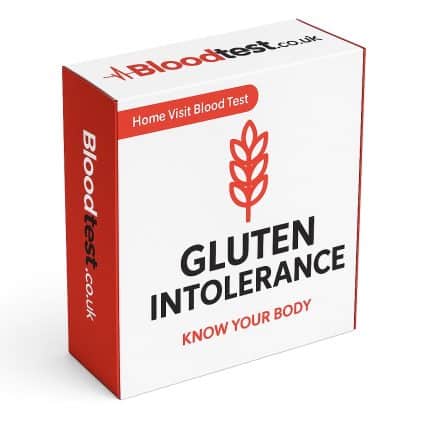

By employing these diagnostic techniques, individuals can effectively manage symptoms and significantly enhance their quality of life post-diagnosis. Community health clinics are essential in providing vital testing services along with follow-up care, ensuring that patients receive all-encompassing support throughout their health journey.
Individuals should remain vigilant for key symptoms associated with coeliac disease, which may encompass:
- Chronic diarrhoea or constipation
- Abdominal discomfort accompanied by bloating
- Persistent fatigue or a general sense of lethargy
- Significant weight loss or failure to thrive, particularly in children
- Skin conditions, notably dermatitis herpetiformis
- Iron deficiency anaemia
- Joint pain
- Neurological manifestations such as headaches or numbness
It is imperative for individuals in Scunthorpe to recognise these symptoms and comprehend their importance in maintaining health and well-being.
How Can You Assess the Need for Coeliac Disease Testing?
Determining the necessity for coeliac disease testing entails a thorough examination of personal and familial medical histories. If there is a known history of <a href=”https://bloodtest.co.uk/gluten-intolerance-test-in-willenhall-essential-guide-to-options/”>gluten intolerance</a> or related autoimmune diseases within the family, it becomes increasingly crucial to consult a GP in Scunthorpe for an initial evaluation. Symptoms are often ambiguous or misleading, potentially causing delays in receiving a definitive diagnosis. Thus, recognising the importance of early intervention is critical for efficient health management.
The NHS encourages individuals to take a proactive role in their health. Identifying symptoms or concerning family health histories should prompt a visit to local healthcare providers. In Scunthorpe, GPs are equipped to conduct preliminary assessments for potential coeliac disease, ensuring that those in need of further testing can access it without unnecessary delays. Neglecting symptoms can result in long-term complications, such as osteoporosis or infertility, both of which are largely avoidable with timely diagnosis and intervention.
What Diagnostic Techniques Are Commonly Used to Confirm Coeliac Disease?
In Scunthorpe, a range of diagnostic techniques are utilised to accurately confirm coeliac disease. The initial procedure typically involves blood tests that detect specific antibodies linked to the condition. These tests are vital as they yield results relatively quickly, enabling patients to implement dietary changes sooner, which is essential for their health.
If blood tests return positive or inconclusive results, healthcare professionals may recommend endoscopic procedures, such as small-intestinal biopsies, carried out in local hospitals. This procedure involves collecting minute tissue samples for histological examination, providing definitive proof of the disease. Facilities in Scunthorpe are well-equipped to perform these procedures, prioritising patient comfort while ensuring precise results. The integration of blood tests and biopsies within our local healthcare framework facilitates a streamlined diagnostic approach, allowing patients to begin necessary dietary changes without delay.
How Can You Accurately Interpret Coeliac Test Results?
After testing in Scunthorpe, the accurate interpretation of results is essential for effective health management. A positive test result for coeliac disease confirms the diagnosis, necessitating immediate dietary adjustments to eliminate gluten from the diet. This change is critical to prevent further damage to the intestines while alleviating associated symptoms.
On the other hand, inconclusive results may require further investigations. In Scunthorpe, healthcare specialists are available to guide patients through the next steps, which may include additional testing or referrals to gastroenterologists for comprehensive evaluations. Clear communication regarding the implications of the results and how they affect dietary choices is pivotal for patient understanding and empowerment. Patients should feel encouraged to engage with their healthcare providers with questions to ensure they fully grasp the significance of their test outcomes.
How Can You Access Local Support Services for Coeliac Disease?
In Scunthorpe, a variety of support services are available for individuals diagnosed with coeliac disease, aiding them in transitioning to a gluten-free lifestyle. These services encompass consultations with qualified dietitians who offer personalised dietary advice, ensuring that nutritional requirements are fulfilled without jeopardising health. Additionally, local patient support groups nurture a sense of community, enabling individuals to exchange experiences, tips, and emotional support as they navigate their gluten-free journey.
These resources are frequently integrated within NHS pathways, providing comprehensive care without the need for patients to navigate the system independently. By leveraging local support services, individuals can access ongoing education about coeliac disease, practical cooking tips, and the latest information regarding gluten-free products. This holistic approach enhances long-term well-being, empowering those diagnosed to thrive rather than merely cope with the condition.
What Steps Are Involved in Coeliac Testing in Scunthorpe?
Essential Steps to Begin Your Coeliac Disease Screening
The screening process for coeliac disease in Scunthorpe commences with a consultation with a GP. During this appointment, the doctor will gather a comprehensive medical history and discuss any symptoms the patient may be experiencing. This thorough assessment is crucial in determining the appropriateness of blood tests for diagnosis.
Following the initial consultation, patients are generally referred for blood tests that measure specific antibodies, including tissue transglutaminase (tTG) and endomysial antibodies (EMA). These tests are conducted in local laboratories, with results typically available within a week. Local practices ensure that patients are supported throughout each stage of the process, providing explanations and reassurance to alleviate any concerns. The goal is to achieve dependable outcomes that will inform the next steps in the diagnostic journey.
What Additional Tests Might Be Required for Coeliac Disease?
Depending on the outcomes of the initial screening, further evaluations may be warranted to confirm the diagnosis of coeliac disease. If blood tests indicate a strong likelihood of the disease, a referral for an endoscopy may be initiated to collect biopsies from the small intestine. Facilities in Scunthorpe are well-prepared to conduct these procedures, usually under mild sedation to ensure patient comfort.
This follow-up procedure is essential as it provides a definitive diagnosis through histological assessment of the biopsied tissue. Local healthcare providers collaborate effectively to monitor patient health and develop personalised treatment plans. By tailoring the approach based on individual health profiles, patients can receive the most relevant and effective care, promoting optimal health outcomes.
How Can You Effectively Interpret Your Coeliac Disease Test Results?
The results from testing in Scunthorpe are critical in assessing levels of gluten sensitivity and confirming the presence of coeliac disease. Healthcare providers will elucidate the implications of the findings and guide patients on how to manage dietary changes and lifestyle modifications based on their results.
For individuals diagnosed with coeliac disease, immediate adherence to a strict gluten-free diet is paramount to prevent further intestinal damage. In cases where testing reveals non-coeliac gluten sensitivity, patients may receive guidance on symptom management through dietary adjustments without needing to eliminate gluten entirely. Clear communication throughout this process is essential to guarantee that patients understand the significance of their test results and feel empowered to make informed decisions about their health moving forward.
Expert Perspectives on Coeliac Testing Procedures in Scunthorpe
Practical Steps for Successful Coeliac Testing
For individuals considering coeliac testing in Scunthorpe, the first step should be to arrange an appointment with a local GP. It is advisable to prepare for this consultation by documenting symptoms, family health history, and any dietary concerns. This preparation not only facilitates a more fruitful discussion but also empowers the GP to assess the situation effectively.
Patients can expect to undergo blood tests soon after the consultation, and maintaining a regular gluten-containing diet prior to testing is critical. This practice ensures that accurate antibody levels are detected. Local specialists recommend keeping a food diary before consultations to document any adverse reactions to gluten-containing foods. Such records can provide valuable insights during testing and subsequent discussions regarding dietary modifications. Real-world examples from cases in the UK highlight how this proactive approach can lead to timely diagnosis and improved health outcomes.
Crucial Factors Influencing Accurate Diagnosis of Coeliac Disease
Accurate diagnosis of coeliac disease relies on comprehensive evaluations that consider both patient history and presenting symptoms. Experts in Scunthorpe emphasise the necessity of not solely depending on blood test results; a thorough understanding of the patient’s health background is critical for making an accurate diagnosis.
When patients exhibit symptoms that strongly suggest coeliac disease, healthcare providers should adopt a holistic approach to assess all potential contributing factors. This assessment entails evaluating genetic predispositions, previous health conditions, and the presence of other autoimmune disorders. By preventing misdiagnoses, healthcare professionals can implement effective management strategies. The commitment to detailed assessments in Scunthorpe underscores a patient-centred approach that prioritises accurate diagnosis and tailored health strategies.
Long-Term Management Strategies for Coeliac Disease
Post-diagnosis, specialists in Scunthorpe advocate for ongoing monitoring to ensure the effectiveness of dietary adjustments and overall health management. Regular check-ups are vital, allowing healthcare providers to evaluate how well patients adhere to a gluten-free diet while monitoring for any associated health concerns.
Dietary guidance from local dietitians can significantly assist in maintaining nutritional balance. This includes educating patients about gluten-free alternatives and helping them to meet their dietary needs without compromising their health. Long-term management also involves vigilant monitoring for potential complications, such as nutrient deficiencies, that can arise from strict dietary restrictions. Evidence-based approaches within regional healthcare underscore the importance of sustained support for coeliac patients, promoting an empowered approach to health and wellness.
Research-Backed Benefits of Coeliac Testing in Scunthorpe
What Health Advantages Does Early Testing Provide?
Early testing for coeliac disease in Scunthorpe plays a critical role in preventing serious health complications, including osteoporosis and other related conditions. Research indicates that timely interventions can enhance nutritional health, leading to a better quality of life for affected individuals. Patients who receive an early diagnosis and adhere to a gluten-free diet can effectively mitigate the risk of long-term health issues associated with untreated coeliac disease.
By addressing the condition promptly, individuals can avert complications related to malabsorption, which may manifest as fatigue, weight loss, and deficiencies in vital vitamins and minerals. The local healthcare framework in Scunthorpe supports early detection through accessible testing services, emphasising the importance of proactive health management to safeguard patients’ futures.
How Can You Access Reliable Testing Services in Scunthorpe?
Patients in Scunthorpe benefit from access to trustworthy, NHS-backed testing options that provide accurate diagnostics without significant out-of-pocket costs. The NHS system ensures that individuals can obtain necessary tests without undue delays, which is essential for making timely health decisions.
To access these services, individuals should consult their GP, who can refer them to local facilities offering coeliac testing. Both blood tests and biopsies are available in the region, ensuring that comprehensive diagnostic services are easily accessible. This availability not only enhances patient convenience but also improves health outcomes by facilitating timely interventions.
Expert Recommendations for Preventive Strategies
Regular testing for coeliac disease in Scunthorpe plays a pivotal role in preventing severe complications associated with the condition. Experts advocate for heightened awareness of symptoms and the promotion of proactive assessments, especially among individuals with a family history of gluten intolerance. Real-world examples illustrate how early detection and intervention can substantially reduce the risk of long-term health problems, empowering patients to take control of their health journeys.
Actionable steps include routine health check-ups, community awareness campaigns, and education on the significance of understanding one’s health history. By fostering an environment that prioritises preventive care, the local health system can significantly mitigate the risks associated with untreated coeliac disease.
What Benefits Does Coeliac Testing in Scunthorpe Offer?
Early Detection Strategies to Improve Health Outcomes
Identifying coeliac disease early through services in Scunthorpe can lead to remarkable improvements in digestive health and a reduced risk of related conditions. Patients need to remain alert to symptoms and seek testing at the first signs of concern. This proactive stance enables individuals to implement necessary lifestyle changes sooner, ultimately resulting in better health outcomes.
Accessing reliable testing services allows for timely diagnoses, which is crucial for effectively managing this condition. By eliminating gluten from their diet at an early stage, patients can experience symptom relief and significantly enhance their overall quality of life. Early detection not only aids in immediate health improvements but also establishes a foundation for long-term wellness as individuals adapt to healthier dietary practices.
What Symptoms Should Prompt Immediate Coeliac Testing?
Certain symptoms should prompt individuals to seek immediate testing for coeliac disease in Scunthorpe. Common indicators such as chronic fatigue, persistent abdominal pain, and unexpected weight loss serve as red flags that necessitate further medical evaluation. It is vital for patients experiencing these symptoms to visit local clinics, where swift assessments can lead to timely diagnoses.
Early intervention can halt disease progression, thereby reducing the risk of severe complications. Patients should remain vigilant about their health and advocate for themselves to ensure their concerns are taken seriously by healthcare providers. Acting swiftly in response to these symptoms can lead to improved health outcomes and a more manageable lifestyle.
How Do Results from Coeliac Testing Affect Daily Life?
The findings from coeliac testing in Scunthorpe significantly impact the daily lives of those diagnosed with the condition. Upon receiving test results, individuals can begin adjusting their gluten-free diets to meet their nutritional needs, thereby enhancing their energy levels and overall well-being.
Understanding the implications of test results empowers patients to make informed decisions regarding their health and lifestyle. Accurate diagnostics enable individuals to avoid gluten-containing foods, leading to improved digestive health and preventing further intestinal damage. As patients adapt their routines based on their results, many report a substantial enhancement in their quality of life, highlighting the importance of timely and precise testing.
Accessing Coeliac Testing Services in Scunthorpe
In Scunthorpe, coeliac testing services are readily accessible, making it convenient for residents to undergo screenings without significant delays. Local hospitals and GP surgeries provide both blood tests and biopsy procedures, which are essential for accurate diagnosis of coeliac disease.
This ease of access allows individuals to prioritise their health without excessively disrupting their daily lives. Quick and efficient testing services foster early diagnosis, which is crucial for effectively managing symptoms and enhancing overall well-being. As awareness of coeliac disease continues to grow, the availability of testing services in Scunthorpe serves as a vital resource for those seeking answers to their health concerns.
Long-Term Health Improvements Following Coeliac Testing
Post-testing support in Scunthorpe includes comprehensive dietary advice and ongoing monitoring, which are essential for maintaining a gluten-free lifestyle. Such resources ensure that patients do not face their health challenges alone and have access to the knowledge and tools they need to thrive.
Regular follow-ups with healthcare providers are instrumental in tracking progress and allowing adjustments to dietary plans as needed. This ongoing support is vital to preventing nutrient deficiencies and promoting long-term health. Empowering patients with education and resources post-diagnosis not only aids in maintaining adherence to dietary restrictions but also fosters a positive outlook on managing coeliac disease effectively.
Available Testing Options for Coeliac Disease in Scunthorpe
Where Can You Access Coeliac Testing Locally?
Residents of Scunthorpe have a multitude of options for accessing coeliac testing services. Local hospitals and GP surgeries provide both blood tests and biopsy procedures, ensuring that individuals can obtain essential diagnostic services promptly. This convenience is particularly important for those experiencing significant symptoms who require swift intervention.
The presence of NHS-backed facilities in the region enhances the reliability of testing options, assuring patients of accurate diagnostics and compassionate care. By utilising these services, individuals can better navigate their health concerns, ensuring they receive the support needed to manage coeliac disease.
Factors Influencing the Availability of Coeliac Testing
Various factors, including NHS resource allocations, waiting times, and appointment availability, can influence the accessibility of testing in Scunthorpe. Patients should be mindful of these elements when seeking coeliac testing services to help ensure timely evaluations and avoid unnecessary delays in receiving care.
To facilitate easy access to testing, patients should familiarise themselves with local clinic details and appointment procedures. Here are some factors to consider:
- Availability of appointments at local GP surgeries
- Testing hours and days of operation
- Patient capacity and waiting lists
- Seasonal fluctuations in demand for testing services
By understanding these dynamics, patients can navigate the healthcare system in Scunthorpe more effectively and secure timely assessments.
How Can You Prepare for Your Coeliac Testing Appointment?
Preparation for coeliac testing in Scunthorpe is crucial to ensure accurate results. Patients are advised to continue consuming gluten-containing foods in the weeks leading up to their appointments. This practice helps maintain antibody levels, which are essential for a reliable diagnosis.
Additionally, individuals should bring relevant medical records and a list of symptoms experienced to the appointment. This information can assist healthcare providers in forming a comprehensive picture of the patient’s health status. Adequately preparing for testing appointments not only enhances the accuracy of results but also empowers patients to engage meaningfully in discussions about their health.
How Can You Effectively Interpret Your Coeliac Test Results?
Understanding test results in Scunthorpe is vital for effective health management, and local healthcare professionals are dedicated to providing clear explanations to patients. After receiving test results, patients should discuss the implications with their GP or specialist to ensure they have a thorough understanding of what the findings mean for their health.
Healthcare providers will guide patients through follow-up steps, addressing any concerns and clarifying dietary recommendations. This collaborative approach ensures that patients can make informed decisions about their care, enhancing their ability to manage coeliac disease successfully. Engaging effectively with healthcare providers helps establish a strong support system for those navigating the complexities of dietary restrictions.
Where to Find Coeliac Testing Services in Scunthorpe?
How Can You Choose a Reliable Provider for Testing?
Selecting the right clinic for coeliac testing in Scunthorpe involves considering factors such as the facility’s credentials and reputation. Patients are encouraged to research local clinics, read reviews, and seek recommendations from healthcare professionals or individuals who have undergone testing.
Ensuring that the chosen provider offers comprehensive testing and follow-up services is essential for effective diagnosis and management of coeliac disease. Verifying NHS accreditation can also serve as a quality marker, reassuring patients that they are accessing reliable healthcare services. By being diligent in their choice of provider, individuals can enhance their experience and outcomes in managing coeliac disease.
What Support Services Are Available for Coeliac Disease Patients?
Support services in Scunthorpe extend beyond testing to encompass dietary counselling and education about coeliac disease. Local facilities provide valuable resources that are crucial in helping individuals manage their condition effectively. This includes workshops, informational sessions, and one-on-one consultations with dietitians who specialise in gluten-free diets.
Such support services are instrumental in guiding patients through the challenges associated with coeliac disease, from understanding food labels to meal planning and lifestyle adjustments. By connecting patients with these resources, facilities in Scunthorpe empower individuals to make informed decisions about their health and maintain a high quality of life.
What Ongoing Care Is Necessary After a Coeliac Diagnosis?
Upon receiving a coeliac disease diagnosis, ongoing care in Scunthorpe includes specialist referrals, access to community support groups, and continuous health monitoring. This comprehensive approach ensures that patients receive the necessary support to manage their condition effectively and maintain a gluten-free lifestyle.
Local healthcare providers are committed to ensuring patients have access to resources such as nutritional guidance and regular check-ups, fostering an environment of support and empowerment. As patients adjust to their new dietary requirements, having a network of care in place can significantly enhance their confidence and ability to thrive with coeliac disease.
Post-Test Procedures and Recommendations in Scunthorpe
How to Implement Necessary Dietary Changes Following Diagnosis
Once coeliac disease is confirmed, adopting a strict gluten-free diet in Scunthorpe becomes essential for maintaining health and overall well-being. Local dietitians play an integral role in guiding patients through this transition, offering practical advice on gluten-free alternatives and effective meal planning strategies.
Understanding how to read food labels is crucial, as gluten can be concealed in many processed foods. Dietitians can assist individuals in identifying safe foods and avoiding cross-contamination, ensuring their dietary choices align with their health goals. The shift to a gluten-free diet may seem daunting, but with the right support, individuals can feel confident in their ability to manage their coeliac disease effectively.
How Can You Monitor Health Improvements Following Dietary Changes?
Regular check-ups in Scunthorpe are vital for tracking health improvements after diagnosis. These appointments allow healthcare providers to assess how well patients adhere to their gluten-free diet and whether any adjustments are required in their dietary plans.
Monitoring health improvements ensures that potential complications, such as nutrient deficiencies, are identified early, allowing for timely interventions. Patients are encouraged to remain engaged in their health by maintaining open communication with their healthcare providers and seeking support as needed. This ongoing relationship is essential for ensuring the long-term management of coeliac disease.
When Should You Seek Further Help After Diagnosis?
If symptoms persist or new health issues arise after a coeliac disease diagnosis, patients must return to their healthcare providers in Scunthorpe for further evaluation. Ongoing symptoms may indicate the need for additional tests or modifications to the management plan.
Patients should not hesitate to express any concerns to their healthcare team. They can provide reassurance and guidance, ensuring that patients feel supported as they navigate their health journey. Addressing emerging concerns promptly is key to maintaining health and preventing complications associated with coeliac disease.
Commonly Asked Questions About Coeliac Disease Testing
What Are the Primary Symptoms of Coeliac Disease?
Common symptoms include chronic diarrhoea, abdominal pain, bloating, fatigue, and weight loss. Skin rashes and iron-deficiency anaemia are also frequent indicators of the disease.
How Is Coeliac Disease Diagnosed?
Diagnosis typically involves a combination of blood tests to measure specific antibodies and, if necessary, a biopsy of the small intestine to confirm damage to the intestinal lining.
Can I Consume Gluten After Testing?
It is crucial to continue consuming gluten until testing is completed, as this is necessary for accurate antibody detection. Once diagnosed, a strict gluten-free diet is required to manage the condition effectively.
Where Can I Get Tested for Coeliac Disease in Scunthorpe?
Testing is available at local GP surgeries and hospitals that provide both blood tests and biopsy services for accurate diagnosis.
What Should I Expect During the Coeliac Testing Process?
Expect an initial consultation with a GP, followed by blood tests. If results suggest coeliac disease, further tests, such as biopsies, may be performed to confirm the diagnosis.
How Long Do Test Results Typically Take?
Blood test results are generally available within a week, while biopsy results may take longer, usually around two weeks, depending on the laboratory’s workload.
What Dietary Changes Are Necessary Following a Coeliac Diagnosis?
A strict gluten-free diet is essential, meaning avoiding all foods containing wheat, barley, and rye. Consulting with a dietitian can guide safe food choices and meal planning.
Are There Support Groups for Individuals with Coeliac Disease?
Yes, Scunthorpe offers various support groups that provide resources, education, and community support for individuals managing coeliac disease.
What Are the Long-Term Health Implications of Untreated Coeliac Disease?
Untreated coeliac disease can lead to complications such as osteoporosis, infertility, and an increased risk of certain cancers. Early diagnosis and management are crucial for preventing these outcomes.
How Frequently Should I Follow Up with My Healthcare Provider?
Regular follow-ups are recommended at least annually or more frequently if symptoms persist or new health issues arise, ensuring effective management of coeliac disease.
Connect with us on Facebook today for more information!
This Article Was First Found On https://bloodtest.co.uk
The Article Coeliac Test in Scunthorpe: Local Testing Guide Explained found first on https://electroquench.com