Your Comprehensive Guide to Mastering Behavioral Assessments in Pet Adoption
Why Are Behavioural Assessments Essential for Successful Pet Adoptions?
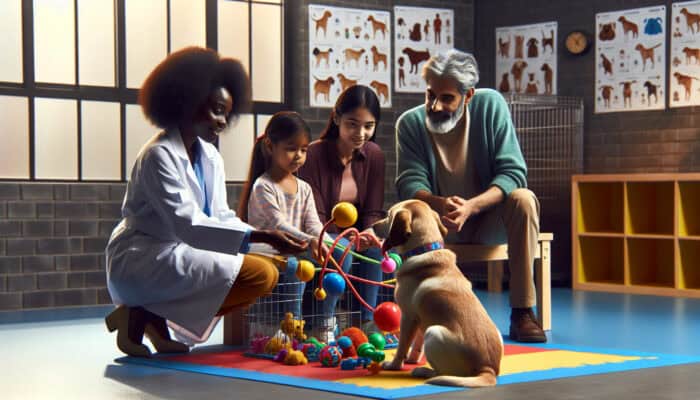
Behavioural assessments are critical evaluations that assist in ensuring pet compatibility with potential adopters. Their primary objective is to facilitate informed decision-making that positively impacts the well-being of both animals and humans. Through the adoption of standardized methodologies, adoption agencies can cultivate safe environments and reduce the risks associated with mismatched placements. For example, shelters often conduct extensive observations of a pet’s interactions with diverse individuals and settings, enabling evaluators to assess a pet's fit within a family context. These assessments are indispensable for encouraging successful and harmonious pet adoptions, ultimately serving the interests of both the pets and their new families.
Key Components for Conducting Effective Behavioural Assessments
Successful behavioural assessments rely on several crucial elements that accurately measure pet behaviour. Understanding how animals react in various situations is vital for enhancing adoption outcomes. Important components include:
- Observation techniques
- Interaction tests
- Environmental assessments
- Behavioural checklists
- Stress response evaluations
These specialized components guide evaluators in observing a pet's innate behaviours, ensuring that decisions resonate with both the animal's needs and the adopting family's lifestyle. By incorporating these practices, shelters can enhance their assessment processes, significantly increasing the likelihood of successful adoptions.
How to Develop Effective Standardised Assessment Criteria
Establishing standardized criteria for behavioural assessments is crucial for achieving consistent evaluation results across various contexts. These criteria should be universally applicable to create a dependable framework for all adoption processes. By concentrating on common behavioural indicators, organisations can reduce adoption risks and improve the welfare of both pets and their owners. Clear guidelines streamline the evaluation process, enabling shelters to pinpoint behaviours that predict successful adoptions across numerous situations. This structured approach fosters transparency and accountability throughout the adoption framework.
What Is the Methodology Behind Behavioural Assessments in Pet Adoption?

What Steps Are Involved in Executing Behavioural Assessments?
The behavioural assessment process typically follows a series of systematic stages. Initially, evaluators perform thorough observations of the pet in a controlled environment, documenting the pet's genuine reactions to various stimuli. Following this observation phase, interaction tests are conducted to measure the pet's social behaviour as it engages with humans and other animals. Finally, evaluators analyse the gathered data to ascertain compatibility levels, which ultimately guides the adoption decision. This structured methodology not only enhances overall adoption success rates but also promotes positive experiences for both pets and their new owners.
What Tools and Techniques Are Commonly Utilised in Behavioural Assessments?
A broad range of tools and techniques is employed during behavioural assessments to effectively evaluate pet behaviour. For instance, play tests enable evaluators to observe how pets interact with toys, providing insights into their energy levels and social tendencies. Similarly, temperament evaluations assess a pet's responses to various stimuli, aiding in the identification of anxiety levels and social behaviours. These versatile tools are indispensable for fostering positive adoption outcomes, as they offer a comprehensive understanding of how a pet may adapt to a new home environment. By employing these methods, shelters can make well-informed decisions regarding each pet's future.
How to Effectively Interpret Behavioural Assessment Results?

Comprehending and applying the results of behavioural evaluations is vital for making informed decisions about pet adoptions. Evaluators must meticulously analyse observed behaviours, concentrating on patterns that suggest compatibility with prospective owners. Strategies for achieving this include aligning behavioural traits with adopters' lifestyles to ensure long-term harmony. Moreover, effectively communicating these results to potential adopters is crucial, as it supports responsible decision-making, thereby enhancing the likelihood of successful placements and nurturing lasting relationships between pets and families.
What Benefits Do Behavioural Assessments Provide?
Behavioural assessments in pet adoptions offer numerous advantages for all stakeholders involved. Firstly, they significantly enhance the matching process between pets and their owners, ensuring compatibility based on behavioural traits. This results in lower return rates as more suitable placements are achieved. Moreover, these assessments improve animal welfare by identifying pets that may require additional care or special attention. By emphasising adaptable strategies for shelters and homes globally, behavioural evaluations foster a more humane and effective adoption process, ultimately enhancing outcomes for both animals and their new families.
Insights from Professionals on Behavioural Assessments for Pet Adoptions
What Role Do Experts Play in Behavioural Assessments?
Involving professionals, such as trainers and animal behaviourists, in the assessment process is essential for executing comprehensive evaluations. These specialists bring extensive knowledge and experience, employing proven methods and strategies that enhance the overall adoption process. For instance, trainers can provide insights into specific behavioural patterns, enabling shelters to identify potential issues before they arise. Collaborating with experts ensures thorough assessments that consider all aspects of a pet's behaviour, promoting better outcomes for pets and their new families.
What Advanced Evaluation Techniques Can Be Adopted?
Experts advocate for the implementation of advanced evaluation techniques to gain a deeper understanding of pet behaviour. Methods such as the “Match Up II” temperament assessment or the “Canine Good Citizen” test provide a more nuanced perspective on how pets may behave in different scenarios. These sophisticated techniques encourage universal adoption standards and facilitate effective pet matching. By incorporating advanced evaluation methods, adoption agencies can refine their procedures, ensuring that each pet finds a compatible and loving home that meets their specific needs.
What Ethical Principles Should Direct Behavioural Assessments?
Key ethical principles are essential for conducting responsible behavioural assessments. Experts stress the importance of impartiality during evaluations, ensuring that personal biases do not skew the outcomes. The welfare of the animals remains the foremost priority, with assessments designed to protect the interests of pets while facilitating successful adoptions. Ethical evaluations cultivate trust between shelters and adopters, promote transparency throughout the adoption process, and ensure that all pets receive the care and consideration they deserve, ultimately benefiting both the animals and their new families.
Proven Strategies for Effectively Implementing Behavioural Assessments in Pet Adoptions
How Can Behavioural Assessments Alleviate Adoption Risks?
Behavioural assessments significantly mitigate adoption risks by employing reliable, adaptable methods that enhance a pet's suitability for prospective adopters. These strategies enable shelters to identify behavioural traits that may not align with specific household dynamics. By addressing potential issues before adoption occurs, shelters can ensure that pets are matched with families capable of meeting their needs. This proactive approach ultimately leads to more successful placements, guaranteeing lasting happiness for both the animals and their new owners.
How to Seamlessly Incorporate Assessments into Adoption Procedures?
Integrating behavioural assessments into standard adoption procedures is crucial for optimising outcomes. This can be achieved through straightforward strategies, such as conducting assessments during the initial intake process and ensuring evaluation results are easily accessible to potential adopters. By embedding assessments into existing adoption workflows, shelters can enhance transparency and foster a collaborative environment that prioritises informed decision-making for the benefit of both pets and families. This integrated approach helps streamline the adoption process while ensuring that the needs of all parties are adequately considered.
What Is the Significance of Evaluating Long-Term Success?
Monitoring the effectiveness of behavioural assessments post-adoption is vital for gauging their impact on pet adjustment and owner satisfaction. Adoption agencies can utilise various metrics to assess success, including:
- Return rates of adopted pets
- Owner satisfaction surveys
- Behavioural adjustment reports
- Frequency of training sessions
- Veterinary health records
These indicators provide invaluable insights and assist organisations in refining their assessment processes, ensuring continuous improvement in their adoption strategies. By measuring long-term success, shelters can adapt their practices to better serve both pets and their adoptive families.
What Are the Principal Benefits of Behavioural Assessments for Pet Adoptions?
How Do Behavioural Assessments Enhance Pet-Owner Compatibility?
Behavioural assessments play a pivotal role in refining the matching process between pets and prospective owners. By identifying specific behavioural traits, shelters can effectively pair pets with families whose lifestyles resonate with their needs and personalities. This evidence-based approach fosters enduring relationships, as both animals and humans discover their ideal companions, ultimately leading to successful adoptions that benefit everyone involved.
How Do Behavioural Assessments Elevate Animal Welfare Standards?
The advantages of behavioural assessments extend to improving care and health outcomes for pets throughout the adoption process. By focusing on universally applicable practices that prioritise animal well-being, shelters can ensure that pets receive the support they need. Assessments help identify specific needs, such as training or socialisation, thereby enhancing care standards and overall health outcomes for adopted animals. This emphasis on welfare reinforces the commitment to responsible pet ownership and nurtures positive relationships.
How Do Behavioural Assessments Facilitate Broader Adoption Objectives?
Behavioural evaluations significantly contribute to achieving broader adoption objectives by providing insights that streamline processes for all stakeholders. These evaluations help identify which pets are likely to thrive in specific environments, promoting targeted outreach efforts and enhancing the efficiency of adoption campaigns. By aligning resources with the distinct needs of various animals, shelters can maximise their impact and increase successful placements, ensuring that every pet has the opportunity to find a loving home.
How Do Behavioural Assessments Decrease Pet Surrender Rates?
A key benefit of behavioural assessments lies in their ability to identify potential issues early that may arise post-adoption. By recognising these challenges in advance, shelters can implement proactive measures to address concerns, significantly reducing the likelihood of pet returns. This strategy conserves valuable resources for shelters, enabling them to focus on securing stable, long-term placements for animals in need, ultimately promoting a more humane adoption process.
How Do Assessments Inform Training and Education for Pet Owners?
Detailed behavioural profiles generated from assessments guide tailored training sessions that equip owners to understand and effectively address their pet's needs. By providing targeted education based on assessment results, shelters can enhance obedience and reduce conflicts between pets and owners. This initiative improves the quality of life for both parties, fostering a harmonious living environment that encourages successful long-term relationships. Such educational efforts contribute to responsible pet ownership and ensure that families are well-prepared to care for their new companions.
Best Practices for Achieving Successful Pet Adoptions
Why Is Continuous Training Vital for Adopted Pets?
Continuous training plays a crucial role in ensuring that pets are well-prepared for life in their new homes. Techniques such as basic obedience training and socialisation classes are universally applicable, helping pets cultivate essential skills that lead to sustained positive behaviour. Regular training reinforces good habits and minimises the likelihood of behavioural issues, ultimately benefitting both pets and their new families. By prioritising consistent training, shelters contribute to successful adoptions and foster enduring bonds between animals and their owners.
How Can Shelters Tailor Assessments for Diverse Pet Types?
Behavioural assessments should not adhere to a one-size-fits-all model; flexibility is crucial for adapting evaluations to various pet types. For instance, the assessment methods used for a high-energy dog may differ significantly from those applied to a more reserved cat. By focusing on general adaptability, shelters can create effective adoption preparations that cater to each animal's unique needs, ensuring more successful placements across diverse species and temperaments. This customised approach enhances the likelihood of a smooth transition for both pets and their new families.
What Are Effective Follow-Up Strategies After Adoption?
Implementing post-adoption measures is vital for monitoring pet adjustment and ensuring ongoing success. Shelters can adopt universal guidelines that support new owners in addressing any behavioural needs that may surface following adoption. Follow-up strategies may encompass check-in calls, provision of training resources, and offering behavioural support, all of which reinforce the connection between the shelter and the new family while fostering a positive transition for the pet. By maintaining open lines of communication, shelters can contribute to the long-term happiness and well-being of both pets and their owners.
Frequently Asked Questions About Behavioural Assessments in Pet Adoption
What Are Behavioural Assessments in Pet Adoptions?
Behavioural assessments are evaluations designed to analyse a pet's behaviour and temperament, facilitating the matching process with suitable adopters. These assessments aim to enhance compatibility and promote successful adoptions by aligning pets' needs with potential owners' lifestyles.
Why Are Behavioural Assessments Important in Pet Adoption?
Behavioural assessments are essential because they help ensure that pets are placed in environments that suit their needs, significantly decreasing the likelihood of returns and enhancing overall animal welfare. This process fosters positive relationships between pets and their new families, contributing to successful adoptions.
What Techniques Are Commonly Used in Behavioural Assessments?
Common techniques include observation methods, interaction tests, play assessments, and temperament evaluations. These tools help gather valuable insights into a pet's behaviour, enabling shelters to make informed decisions for successful placements.
How Do Behavioural Assessments Benefit Pet Adoptions?
Behavioural assessments improve matching, reduce return rates, enhance animal welfare, and support broader adoption objectives, ensuring that pets find loving homes well-suited to their needs and personalities.
Who Should Conduct Behavioural Assessments for Pets?
Professionals such as trainers, animal behaviourists, and knowledgeable shelter staff should conduct behavioural assessments to ensure accurate evaluations based on expertise and experience. This collaboration enhances assessment quality and ultimately benefits the pets involved.
What Are the Key Components of Effective Behavioural Assessments?
Key components include observation techniques, interaction tests, behavioural checklists, and stress response evaluations, all aimed at providing comprehensive insights into a pet's behaviour. These elements are critical for making informed decisions that align with the needs of both pets and their potential owners.
How Can Shelters Integrate Assessments into Their Adoption Procedures?
Shelters can seamlessly incorporate behavioural assessments by conducting them during intake and ensuring the results are readily available to potential adopters. This promotes informed decision-making and enhances the transparency of the adoption process.
What Role Does Follow-Up Play After Adoption?
Follow-up strategies are essential for monitoring a pet's adjustment and addressing any behavioural needs that may arise after adoption. These measures ensure ongoing support for new owners and foster positive relationships between the shelter and the families, ultimately benefiting the pets involved.
How Do Behavioural Assessments Minimise Pet Surrender Rates?
By identifying potential behavioural issues early, assessments enable shelters to proactively address concerns, significantly reducing the likelihood of pets being returned. This approach ensures that animals are placed in stable, long-term homes, conserving valuable resources for shelters.
What Ethical Considerations Are Involved in Behavioural Assessments?
Ethical considerations include maintaining impartiality, prioritising animal welfare, and ensuring transparency throughout the assessment process. This promotes trust between shelters and adopters, ultimately leading to better outcomes for pets and their new families.
Join Our Community on Facebook to Stay Informed!
The Article Behavioural Assessments for Pet Adoptions: Essential Tips First Published On https://elgatoencasa.com
The Article Behavioural Assessments: Key Tips for Pet Adoptions Was Found On https://limitsofstrategy.com