Master Essential Freezing Techniques to Preserve Food Quality
What Scientific Principles Support the Freezing Process for Food Preservation?
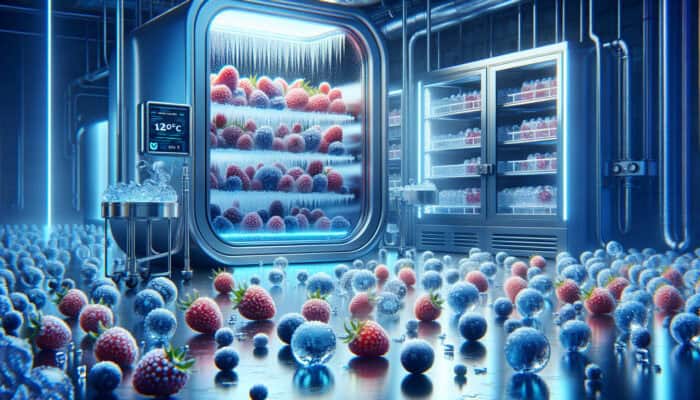
The freezing food technique serves as a crucial method of preservation, effectively stopping bacterial growth while maintaining essential nutrients and flavours. The scientific principle involves a drastic temperature drop, which causes water molecules within the food to create crystalline ice structures. These ice crystals play a vital role in preserving the cellular integrity of the food, allowing it to retain its firmness and texture once thawed. For beginners, understanding this principle is essential for achieving lasting freshness. For example, when freezing berries, using rapid-freezing techniques helps prevent the formation of large ice crystals, which can compromise texture. By maintaining a temperature of -18°C (0°F) or lower, you create an ideal environment for optimal food preservation.
A significant advantage of freezing is its remarkable ability to retain nutrients. Many fruits and vegetables are frozen at their peak ripeness, ensuring they are rich in vital vitamins and minerals. Take spinach as an example: when frozen shortly after being harvested, it retains considerably higher levels of vitamin C compared to fresh produce that may sit unrefrigerated for several days. This valuable insight enables beginners to reap the health benefits of vegetables long after harvesting, making healthy eating more achievable and convenient.
What Key Equipment Is Necessary for Efficient Food Freezing?
Having the right tools is crucial for successful food freezing, and fortunately, you do not need an extensive list of equipment to start. The basic essentials include freezer-safe bags and containers. These items not only help keep you organised but also prevent freezer burn, a condition that can severely diminish food quality. Always select bags labelled as “freezer-safe”; these are sturdier and specifically designed to withstand low temperatures. Additionally, ensure your containers are airtight to keep moisture out and flavours in, guaranteeing your food remains as palatable as possible.
If you plan to freeze a significant quantity of items, investing in a vacuum sealer may prove beneficial. This handy appliance effectively removes air from the bags before sealing, thus extending shelf life by preventing oxidation. However, for beginners, basic freezer-safe bags and containers are usually sufficient and available at an affordable price. By utilising these tools, you simplify the freezing process and enhance the organisation of your freezer, making it easier to locate meals when needed.
How Can You Spot and Prevent Freezer Burn?
Freezer burn is a common issue that can negatively affect the flavour and texture of your food, making it vital for novices to learn how to identify its signs. Key indicators include discolouration, dry patches, and changes in texture. For example, if you pull out a bag of frozen peas only to find they are coated in white frost, that’s a clear sign of freezer burn. While the food may still be safe to eat, its taste and texture are likely compromised, resulting in a less enjoyable meal.
To prevent freezer burn, be sure to use airtight packaging. Before sealing, strive to remove as much air as possible from the bags. You could use a straw to suck out excess air or consider investing in vacuum-sealed bags for optimal results. Additionally, avoid storing items in the freezer for extended periods; even well-packaged food can ultimately fall victim to freezer burn. By remaining vigilant, you can continue to enjoy the fresh flavours and textures of your food long after freezing, ensuring your meals remain delightful.
Crucial Steps for Properly Preparing Food for Freezing
What Blanching Techniques Should You Use for Vegetables Before Freezing?
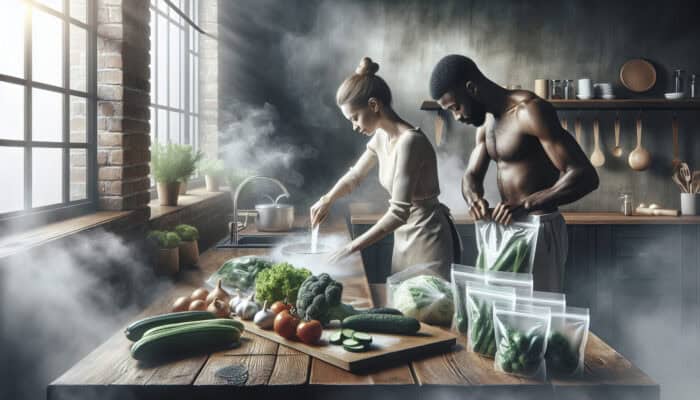
Blanching vegetables before freezing is an essential process that helps maintain their vibrant colours, flavours, and nutritional value. This technique involves briefly boiling the vegetables and then quickly cooling them in ice water. This process effectively stops the cooking and ensures that the vegetables retain their crispness. Begin by washing and slicing your vegetables into uniform pieces, promoting even cooking and consistent results.
For beginners, timing plays a critical role during blanching. Overcooking vegetables can lead to a mushy texture after freezing, while undercooking may result in a loss of colour and vital nutrients. Here’s a quick reference guide for common vegetables and their optimal blanching times:
- Green Beans: 3 minutes
- Broccoli: 2 minutes
- Carrots: 3 minutes
- Cauliflower: 3 minutes
- Asparagus: 2-3 minutes
- Spinach: 2 minutes
After blanching the vegetables, immerse them in ice water to halt the cooking process, then drain and dry them before packaging. This straightforward yet effective method significantly enhances the quality of your frozen vegetables, allowing you to enjoy the taste of fresh produce throughout the coldest months of the year.
What Best Practices Should You Implement for Meal Portioning Before Freezing?
Portioning meals before freezing is a smart strategy to save time and reduce waste, particularly beneficial for beginners. Start by preparing meals in bulk and dividing them into individual or family-sized portions. This method streamlines meal preparation and reduces the temptation to thaw and refreeze, which can pose food safety risks.
When portioning, consider using labelled containers or freezer bags. Clearly marking the contents and dates helps organise your meals and eliminates confusion later on. For instance, if you have prepared a large batch of soup, freezing it in single-serving containers allows you to conveniently grab a meal for lunch or dinner without needing to defrost the entire batch.
Furthermore, consider using reusable containers for sustainability. These can be cleaned and reused multiple times, making them a cost-effective choice for beginners. With organised meals readily available, you can simplify weeknight dinners while significantly reducing food waste.
How Does Packaging Impact the Freezing Process?
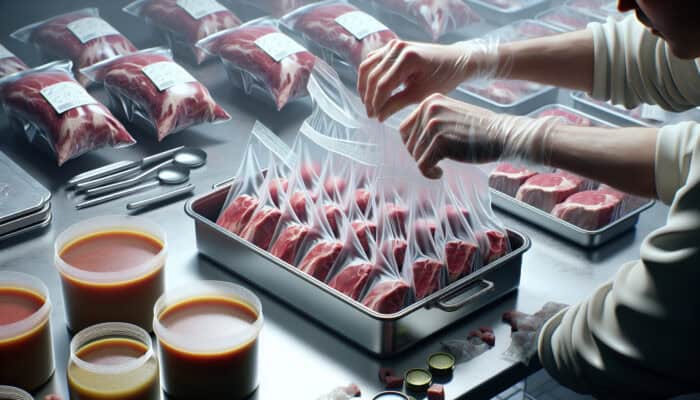
The way you package food for freezing can significantly influence its quality and shelf life. Airtight seals are crucial for preventing moisture loss and protecting food from freezer burn. Choosing the right materials is essential; freezer-safe bags are specifically designed to endure low temperatures while minimising air exposure. For items like meats or soups, consider using containers with tight-fitting lids or vacuum-sealed bags to ensure maximum freshness.
As you prepare for freezing, make it a point to remove as much air as possible from your packaging. Pressing air out of freezer bags or using a vacuum sealer can yield substantial benefits. Additionally, remember to label your packages with their contents and freezing dates; this practice helps you keep track of what you have and when to use it. By using high-quality packaging, you not only preserve flavour but also streamline meal preparation, reducing the chances of encountering undesirable freezer burn.
Expert Insights for Beginners on Effective Food Freezing
What Core Principles Should You Understand from Freezing Research?
Understanding the science behind freezing can greatly improve your food preservation skills. One of the most critical aspects is temperature control, which is vital for extending the shelf life of your food. Maintaining a consistent temperature of -18°C (0°F) is necessary, as it inhibits the growth of bacteria that can spoil food. Research indicates that the faster food freezes, the better its quality will be upon thawing. Rapid freezing creates smaller ice crystals, which helps preserve the cellular structure of the food.
For beginners, it’s essential to avoid overcrowding your freezer. Placing too many items inside at once can raise the temperature, resulting in uneven freezing. Instead, freeze items in manageable batches, allowing plenty of space for air circulation. Another key principle is to refrain from thawing and refreezing food unless absolutely necessary, as this can compromise both quality and safety. By adhering to these expert guidelines, you can ensure that your frozen foods remain both safe and delicious.
What Advanced Preparation Techniques Can Enhance Your Success in Freezing?
Once you have mastered the basics, consider incorporating layering flavours into your frozen meals. This technique involves creating depth in taste by combining various ingredients before freezing. For example, when making a vegetable lasagne, layer the noodles, sauce, and fillings separately before freezing. This not only enhances flavour but also allows you to adjust portions and ingredients based on your preferences.
Another advanced technique is to prepare sauces or marinades in bulk and freeze them in ice cube trays. Once frozen, transfer the cubes to a freezer bag for easy access. This method ensures you always have flavourful bases ready to elevate any meal. For beginners, trying out these techniques will build confidence in the kitchen and lead to more exciting meal options. Additionally, it’s an excellent way to take advantage of seasonal produce when it’s at its peak.
What Common Mistakes Should Beginners Steer Clear Of and How Can They Be Corrected?
As a novice, it’s easy to make mistakes during the freezing process that can compromise the quality of your food. One common error is improper sealing of freezer bags or containers, which can lead to freezer burn or spoilage. To rectify this, ensure you are using bags specifically designed for freezing and remember to expel as much air as possible before sealing.
Another issue arises from forgetting to label your food. Neglecting to note the contents and date can lead to confusion and waste. A simple solution is to invest in a robust roll of freezer-safe tape and a permanent marker to keep track of what you have on hand. Additionally, storing foods in the correct order—utilising FIFO (First In, First Out) methods—can help ensure you use older items before they spoil. By learning from these common pitfalls, you can guarantee that your freezing experience is both safe and successful.
What Common Mistakes Should Be Avoided When Freezing Food?
Why Is Overcrowding the Freezer a Frequent Mistake?
A major mistake that beginners often make is overloading the freezer. This leads to poor air circulation, resulting in uneven freezing and potential spoilage. Ideally, your freezer should be at least three-quarters full, but not so packed that air cannot circulate freely. Overcrowding can prevent your food from freezing quickly, which is essential for maintaining both quality and safety.
To avoid this mistake, take the time to organise your freezer. Consider grouping similar items, such as meats in one area and vegetables in another. This practice not only aids air circulation but also facilitates easy access to items when needed. Additionally, try freezing smaller portions of food, as they freeze more efficiently than larger quantities. By keeping your freezer organised, you can ensure that your food remains safe and retains its quality for an extended period.
How Can You Prevent Undesirable Texture Changes in Frozen Food?
Texture changes, such as sogginess or mushiness, can be frustrating when thawing frozen items. To avoid these undesirable outcomes, beginners can employ several straightforward techniques. One effective approach is to pre-freeze items like fruits or cooked vegetables on a baking sheet before transferring them to bags. This technique prevents them from clumping together and helps maintain their texture during thawing.
Another tip is to avoid freezing foods that naturally possess high water content, such as lettuce or cucumbers, as they tend to become mushy when thawed. Instead, opt for vegetables that freeze well, like broccoli or carrots. For meats, consider marinating them before freezing; this not only infuses flavour but also helps maintain tenderness. By being mindful of these factors, you will achieve a more enjoyable texture in your thawed meals, making them more satisfying.
Why Is Neglecting Date Labelling a Significant Mistake?
Tracking storage times is crucial to avoid spoilage, yet many beginners overlook the importance of date labelling. Without proper labels, it’s easy to lose track of how long items have been stored, leading to waste and potential food safety concerns. Establishing a simple labelling system can make a considerable difference; use freezer-safe tape and a permanent marker to note the contents and dates.
Additionally, consider implementing a rotation system where you use older items first. This practice, known as FIFO (First In, First Out), ensures that nothing lingers in the back of your freezer for too long. Regularly checking your stock will also help you maintain a well-organised freezer and encourage you to use up items before they spoil. By prioritising labelling, you can enjoy fresh, safe meals while minimising waste, ensuring your food remains both enjoyable and nutritious.
Research-Backed Benefits of Effective Freezing Techniques for Beginners
What Nutritional Benefits Does Freezing Food Offer?
Freezing food provides numerous nutritional advantages, especially when compared to other preservation methods. Studies indicate that freezing can lock in vitamins and nutrients, making it an effective way of preserving the health benefits of your meals. Many fruits and vegetables are frozen at their peak ripeness, ensuring that they retain their nutritional value far better than fresh produce that has endured transit or storage for days or even weeks.
For instance, freezing broccoli immediately after harvest preserves its vitamin C content more effectively than keeping it fresh in the fridge. This means that by choosing to freeze seasonal produce, you can enjoy nutrient-rich foods all year round, making meal planning both healthy and sustainable. As a beginner, recognising the nutritional benefits of freezing can motivate you to incorporate this practice into your cooking routine, supporting your overall health and wellbeing.
How Does Freezing Contribute to Long-Term Cost Savings?
One of the most practical advantages of freezing is the long-term cost savings it offers. By purchasing items in bulk or taking advantage of seasonal produce sales, you can reduce food waste and save money. Freezing allows you to store food for months without worrying about spoilage, enabling you to enjoy your purchases long after they have been bought.
For example, if you find strawberries on sale during peak season, freezing them allows you to savour their sweetness throughout the year while saving money. Furthermore, by meal prepping and freezing portions, you can avoid the urge to order takeout during busy weeks, which can further support your budget. For beginners, embracing freezing as a cost-effective meal-planning strategy can lead to significant long-term savings and contribute to a more efficient, economical kitchen.
How Does Freezing Simplify Meal Preparation?
Freezing streamlines meal preparation by allowing you to cook in batches and store meals for later use. This practice not only saves time but also encourages a healthier lifestyle. When you have pre-prepared meals in your freezer, you can easily grab something nutritious on hectic days, reducing the likelihood of resorting to unhealthy convenience foods.
For beginners, establishing a routine of freezing meals can significantly alleviate the stress associated with weekly cooking. Designate a day for batch cooking—perhaps a Sunday—and prepare several meals to freeze for the week ahead. Additionally, consider rotating your frozen meals; having a variety of options prevents monotony and ensures you enjoy different flavours throughout the week. By incorporating freezing into your meal prep routine, you can benefit from convenience and nutrition without sacrificing flavour or quality.
What Food Safety Benefits Are Associated with Freezing Food?
Freezing food provides significant food safety advantages, primarily by inhibiting bacterial growth and preserving food integrity. When food is stored at the correct temperature, it remains safe and effective for keeping your meals fresh. Freezing slows down chemical changes that affect flavour, texture, and nutrient quality, making it a reliable method for long-term food storage.
For beginners, understanding food safety guidelines is crucial. Always ensure your freezer is set to -18°C (0°F) or lower, and avoid thawing food at room temperature, as this can lead to bacterial growth. Instead, thaw food in the refrigerator or utilise cold water methods for safety. By prioritising food safety and adhering to best practices for freezing, you can enjoy worry-free meals that support your health and wellbeing.
Effective Storage Techniques for Frozen Foods
What Are the Optimal Freezer Temperatures for Preserving Food Quality?
Maintaining optimal freezer temperatures is vital for preserving the quality of your food. The ideal temperature is -18°C (0°F), as this effectively halts bacterial growth and prevents spoilage. Beginners can easily monitor their freezer’s temperature using an appliance thermometer, ensuring it remains consistently cold for the best results.
When storing various items, be aware that some may require slightly different temperatures. For instance, ice creams and delicate foods may benefit from being stored in colder sections of the freezer. Regularly checking your freezer’s temperature can prevent food safety issues and extend the shelf life of your frozen items. If you notice any fluctuations, consider adjusting the freezer load or inspecting the door seals for air leaks. By mastering temperature control, you can significantly enhance your food preservation efforts.
How Can Layering and Stacking Methods Maximise Freezer Space?
Efficiently arranging your freezer is essential for maximising space and ensuring easy access to items. Layering and stacking foods correctly can significantly improve air circulation, preventing uneven freezing and spoilage. Start by grouping similar items, such as meats, vegetables, and prepared meals, in designated areas of your freezer.
When stacking, consider using bins or baskets to keep items organised. This method allows you to pull out one container without disrupting the entire stack. Additionally, avoid placing large items directly on the bottom; instead, position heavier items near the base and lighter items on top. By adopting these layering techniques, you can streamline access to your frozen goods and maintain optimal temperatures for all your food, ensuring they remain fresh and safe to eat.
What Materials Are Best for Storing Food in the Freezer?
Choosing the right materials for freezing food is essential for ensuring quality and safety. Durable options such as freezer-safe bags, glass containers, and stainless steel are excellent choices. Freezer-safe bags are specifically designed to withstand low temperatures, while glass containers offer a non-toxic alternative that won’t absorb food odours or flavours.
When selecting materials, here’s a quick list of popular options along with their advantages and disadvantages:
- Freezer-safe plastic bags: Pros – Lightweight and flexible; Cons – Can puncture if mishandled.
- Glass containers: Pros – Reusable and non-toxic; Cons – Can break if dropped.
- Aluminium foil: Pros – Excellent for tightly wrapping items; Cons – May be tricky to seal completely.
- Vacuum-sealed bags: Pros – Outstanding for preventing freezer burn; Cons – Requires a vacuum sealer for optimal use.
Understanding the strengths and weaknesses of each material will empower you to make informed choices that enhance your food storage practices, ensuring quality and freshness for all your frozen items.
How Long Can Frozen Food Last and What Influences Its Shelf Life?
What Factors Influence the Shelf Life of Frozen Food?
The shelf life of frozen food can vary significantly based on several factors, including the freshness of the food prior to freezing and the quality of its packaging. Freshness at the time of freezing is paramount; for example, freezing food immediately after purchase yields better results than keeping it in the refrigerator for an extended period.
Another crucial factor is the packaging. Airtight seals and suitable materials can prolong shelf life by preventing freezer burn and moisture loss. Generally, most frozen fruits and vegetables maintain their best quality for about 8-12 months, while meats can last anywhere from 4-12 months, depending on the type. As a beginner, understanding these factors will help you plan your storage more effectively, allowing you to enjoy high-quality frozen meals for longer.
Is There a Difference in Shelf Life for Different Food Types?
Indeed, notable differences exist in the longevity of frozen foods based on their type. For instance, meats generally have a longer shelf life compared to fruits and vegetables. Beef and poultry can last up to 12 months in the freezer, while fish typically lasts around 6 months. Conversely, items like leafy greens or berries may start to lose quality after 8-12 months.
It’s essential to check for signs of spoilage, even when food is still within its recommended freezing timeframe. Changes in texture, off-odours, or discolouration can indicate a decline in food quality. By being mindful of these differences, beginners can make informed choices about what to freeze and when to use it, ensuring that each meal is as delicious and safe as possible.
What Signs Indicate It’s Time to Dispose of Frozen Food?
Recognising when to discard frozen food is crucial for maintaining both quality and safety. Signs of spoilage include visual cues—such as discolouration or frost buildup—sensory cues—such as off-odours—and undesirable textures. If you notice freezer burn, although the food may still be safe to consume, its quality is likely compromised.
To extend usability, consider employing a first-in, first-out (FIFO) approach, which ensures that older items are used before newer ones. Regularly inspect your frozen stock to identify any items that may not be worth keeping. By proactively assessing the quality of your frozen food, you can make informed decisions, reduce waste, and ensure that your meals retain their best taste and safety.
What Best Practices Should You Follow for Effective Food Freezing?
Implementing effective techniques for freezing food is essential for preserving quality and extending shelf life. Start with proper packaging, utilising materials specifically designed for freezing, such as freezer-safe bags or airtight containers. This prevents freezer burn and moisture loss, enabling you to enjoy flavourful meals later.
Next, ensure you label everything clearly with dates and contents to keep track of storage times. Regularly rotate your stock to maintain variety and avoid waste. Additionally, always freeze foods at their peak freshness, as this will significantly enhance the quality of your meals. By adopting these best practices, you will empower yourself to store items safely and efficiently, transforming your kitchen into a hub of delicious, ready-to-eat meals.
Safe Thawing and Utilisation of Frozen Food
What Are the Safe Methods for Thawing Frozen Food?
Thawing frozen food safely is crucial to prevent bacterial growth and maintain quality. Several safe methods for thawing include the refrigerator and cold-water approaches. The refrigerator method is the safest; transfer your food from the freezer to the fridge the night before you plan to use it. This gradual thawing keeps the item at a safe temperature, minimising the risk of bacterial proliferation.
Alternatively, the cold-water method can be employed for quicker thawing. Place sealed food in a leak-proof bag and submerge it in cold water for an hour or two, changing the water every 30 minutes. This method is effective but requires more attention than the refrigerator method. Avoid thawing food at room temperature, as this can encourage bacterial growth. By following these safe thawing practices, beginners can ensure their meals remain both safe and delicious.
What Creative Recipes Can You Create with Thawed Ingredients?
Incorporating thawed frozen ingredients into meals can be both simple and rewarding. Thawed vegetables are perfect for stir-fries, soups, or casseroles, adding flavour and nutrition without extensive preparation. For instance, thawed broccoli can enhance an egg frittata, boosting its nutritional profile while saving time.
Thawed fruits, especially berries, are fantastic for smoothies, desserts, or oatmeal, providing sweetness and vitamins. Consider blending thawed strawberries with yogurt for a refreshing breakfast parfait, or using them to create homemade jam. By being inventive with your thawed ingredients, you can elevate your meals while enjoying the convenience of having pre-prepared foods readily available.
How Can You Maintain Quality After Thawing Food?
Maintaining quality after thawing is vital for enjoying your frozen meals. One crucial technique is to reheat food gently to preserve texture and flavour. For example, when reheating soups or stews, use low heat to avoid boiling, which can cause ingredients to break down and become mushy.
Another tip is to use suitable tools for reheating. Microwave-safe containers are convenient for quick meals, while stovetop methods provide better control over temperature. Consider employing a double boiler for delicate items like sauces to prevent burning. Here’s a quick list of reheating tools and their best uses:
- Microwave: Quick reheating of single portions.
- Stovetop: Ideal for soups and sauces that require careful attention.
- Oven: Great for casseroles and baked dishes needing even heating.
- Slow cooker: Excellent for warming large batches without overcooking.
By using these techniques, you can ensure your thawed meals retain their original quality, making each dining experience enjoyable and satisfying.
How Can You Improve Freezer Organisation and Maintenance?
Effective freezer organisation and maintenance are essential for avoiding overcrowding and ensuring even airflow. Begin by regularly checking and reorganising your freezer to prevent items from becoming lost or forgotten. A good practice is to set aside time every few months to clean out your freezer, discarding any items that are past their prime.
Consider implementing a labelling system to keep track of what’s in your freezer. Use clear labels that indicate contents and dates, making it easier to find what you need quickly. Additionally, rotate your stock regularly, utilising older items first to prevent waste. These simple steps will help maintain consistent temperatures, improve airflow, and ultimately preserve food quality, allowing you to enjoy your frozen foods without compromising freshness.
What Health and Safety Considerations Should Beginners Keep in Mind for Frozen Foods?
While freezing is a safe method for preserving food, there are several health and safety considerations beginners should bear in mind. One significant concern is cross-contamination, particularly during thawing. Always ensure that raw meats are stored separately from ready-to-eat foods to avoid contamination and foodborne illnesses.
Additionally, be mindful of expiry dates on your frozen items. Implementing a labelling system will assist you in tracking storage times and encourage you to use items before they spoil. When reheating, ensure that food reaches an internal temperature of 75°C (165°F) to eliminate any potential bacteria. By following these health and safety tips, you can enjoy your frozen foods with peace of mind, knowing you are prioritising your wellbeing and that of your loved ones.
Frequently Asked Questions
How long can I freeze food for optimal quality?
Most foods can be frozen for several months to a year, depending on the type. Meats typically last 4-12 months, while fruits and vegetables can maintain their best quality for 8-12 months.
Can I refreeze food once it has been thawed?
It is generally not recommended to refreeze food after it has thawed, particularly if it was thawed at room temperature. However, if thawed in the refrigerator, it can be safely refrozen.
How do I know if frozen food is still safe to eat?
Check for signs of freezer burn, off-odours, or texture changes. If the food appears or smells unusual, it’s best to discard it for safety.
What foods should I avoid freezing?
Avoid freezing foods with high water content, such as lettuce and cucumbers, as they can become mushy upon thawing. Additionally, mayonnaise and sour cream may separate and lose their texture when frozen.
Is it safe to freeze cooked meals?
Yes, it is safe to freeze cooked meals. Ensure they are cooled quickly and stored in airtight containers for optimal quality and safety.
How should I package food for freezing effectively?
Utilise freezer-safe bags, airtight containers, or vacuum-sealed bags to package food properly. Remove as much air as possible to prevent freezer burn and maintain quality.
Can I freeze dairy products?
Some dairy products can be frozen, such as cheese and butter, but others, like yogurt, may change in texture. It’s best to use frozen dairy in cooking rather than consuming it raw.
What are some tips for freezing herbs effectively?
Chop herbs and mix them with oil or water, then freeze them in ice cube trays. This method allows you to incorporate them into cooking later on easily.
How do I reheat frozen meals safely?
Reheat frozen meals in the microwave, oven, or on the stovetop, ensuring they reach an internal temperature of 75°C (165°F) to eliminate any harmful bacteria.
Can I freeze leftovers safely?
Yes, leftovers can be frozen. Ensure they are cooled quickly and stored in airtight containers to maintain their quality and safety.
Join us on Facebook for discussions and fun!
The post Best Tips for Freezing Food as a Beginner: Key Strategies appeared first on https://cookinggods.com
The Article Freezing Food Tips for Beginners: Essential Strategies Was Found On https://limitsofstrategy.com
The Article Freezing Food Tips: Essential Strategies for Beginners found first on https://electroquench.com