Your Comprehensive Guide to Pregnancy Blood Tests in the UK
What is the role of a pregnancy blood test?
Private Pregnancy Blood Test in Derby: A pregnancy blood test is an at-home method used to detect the presence of pregnancy hormones, particularly human chorionic gonadotropin (hCG), which can be found in the bloodstream. In the UK, these essential tests are often performed at local healthcare facilities, including the well-regarded Royal Derby Hospital and various clinics throughout Derby. This testing method enables expectant mothers to confirm their pregnancy earlier than traditional urine tests, proving to be an invaluable resource in maternal care. The accuracy of blood tests significantly exceeds that of home urine tests, with results typically available within a week.
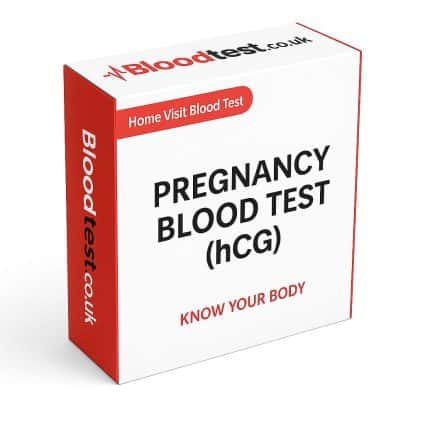

This early diagnosis allows healthcare professionals to commence maternal care promptly, ensuring that both mother and child receive the crucial support needed from the outset of their pregnancy journey. By adhering to UK healthcare standards, these tests play a pivotal role in facilitating timely interventions and enhancing overall maternal health.
Understanding the Range of Blood Tests Offered in the UK
A diverse selection of blood tests is readily available in the UK to effectively monitor pregnancy health. The following assessments are commonly provided at hospitals in Derby:
- Quantitative hCG test: This test measures the precise level of hCG, assisting in the assessment of pregnancy progression.
- Qualitative hCG test: This test confirms the presence of hCG, thereby indicating pregnancy without detailing the specific levels.
- Blood group typing: This test identifies the mother’s blood type, essential for any necessary blood transfusions or managing Rh incompatibility.
- Full blood count (FBC): This test assesses overall health and can reveal conditions like anaemia, which may affect pregnancy.
- Thyroid function tests: These tests ensure that the thyroid gland operates properly, as thyroid health is crucial during pregnancy.
- Screening for infectious diseases: This testing checks for conditions such as syphilis or hepatitis B, which can impact pregnancy health.
These tests are essential for monitoring both the mother and baby’s health throughout the pregnancy, complying with UK guidelines to identify potential complications early on.
How to Prepare for Your Blood Test Procedure Effectively
Preparing for a pregnancy blood test in Derby is straightforward yet vital for ensuring accurate results. Patients are generally advised to visit local facilities such as the Royal Derby Hospital. It is essential to communicate any pertinent medical history to healthcare providers, as this information assists in accurately interpreting the results. In some instances, patients may need to fast before the test, especially if additional blood work is required simultaneously. Fasting means abstaining from food and drink, other than water, for a specified period.
Additionally, bringing necessary documentation, including identification and an NHS number, is crucial for expediting the testing process. Patients should also be ready to disclose any current medications and their family medical history, as these elements can significantly influence test results and overall pregnancy management. By adequately preparing, patients can help ensure a seamless testing experience and foster effective communication with healthcare professionals.
How does the Pregnancy Blood Test Process Operate in Derby?
Exploring the Blood Sample Collection Process
In Derby, the blood sample collection procedure for a pregnancy test prioritises both efficiency and patient comfort. Initially, a qualified phlebotomist conducts the blood draw, generally from the arm. This procedure is quick, typically taking no longer than a few minutes. The blood sample collected is then sent to an accredited laboratory, where it undergoes extensive analysis to evaluate hCG and other critical marker levels. UK laboratories adhere to stringent national standards, ensuring the accuracy and reliability of their results.
Once the analysis is complete, results are usually communicated to the patient within a week. However, some facilities might offer quicker turnaround times. This rapid reporting empowers expectant mothers to take necessary actions in their pregnancy journey, whether it involves further testing, prenatal care, or consultations with healthcare professionals. It is important for patients to understand that the accuracy of these tests is greatly improved by following pre-test instructions, ensuring effective analysis and optimal patient comfort during the procedure.
How to Understand Common Results from Your Pregnancy Test
The results from a pregnancy blood test in Derby yield vital insights into a woman’s pregnancy status and overall health. Generally, results are reported as either positive or negative. A positive result confirms the presence of hCG at levels consistent with pregnancy, effectively validating pregnancy. Conversely, a negative result indicates the absence of hCG, suggesting that pregnancy has not occurred, particularly if the test is conducted after a missed period.
Healthcare providers in Derby interpret these results in the context of the patient’s overall health and any symptoms they may be experiencing. If the test is positive, discussions may focus on prenatal care options; if negative, healthcare professionals may seek alternative explanations for missed periods or related symptoms. Understanding these outcomes is crucial for expectant mothers as they lay the groundwork for subsequent steps in their pregnancy journey, including necessary follow-up tests or appointments to monitor health.
Factors Affecting the Accuracy of Pregnancy Blood Tests
The accuracy of pregnancy blood tests in Derby can be influenced by various environmental and lifestyle factors. One significant consideration is the timing of the test; conducting the test too early—before the body has produced detectable hCG levels—can lead to false-negative results. Therefore, it is generally recommended to wait at least a week after a missed period for optimal accuracy.
Dietary habits can also affect results; for example, excessive alcohol consumption prior to testing may disrupt hormonal balance, potentially skewing outcomes. Furthermore, certain medications and medical conditions might interfere with hormone levels, so it is essential to discuss these factors with healthcare providers before testing. Following pre-test instructions, such as fasting when advised, and providing a comprehensive medical history are crucial steps to ensure reliability. By being aware of these factors, patients can prepare more effectively for their pregnancy blood tests, ultimately enhancing the accuracy of the results.
When and Where to Obtain Pregnancy Testing in Derby
In Derby, pregnancy blood tests are readily accessible at local NHS clinics and private healthcare providers. Individuals are encouraged to consult their General Practitioner (GP) to discuss the optimal timing for testing, usually recommended to be after a missed period for the most accurate results. This consultation offers essential guidance regarding the type of test required and any additional services available to support maternal health.
Patients in Derby can anticipate a streamlined process, with many facilities providing convenient booking through NHS services. Local hospitals, including the Royal Derby Hospital, offer comprehensive testing services alongside prenatal care support, ensuring that expectant mothers have access to the resources they need. By following UK healthcare protocols, patients can ensure timely testing, which is crucial for monitoring their pregnancy and accessing necessary care services.
Expert Perspectives on the Reliability of Pregnancy Blood Tests in Derby
How dependable are pregnancy blood tests for early detection?
Pregnancy blood tests in Derby exhibit high dependability due to their sensitivity compared to other testing methods. Local clinics report that the accuracy of these tests frequently exceeds 99% when conducted after a missed period, instilling confidence in expectant mothers regarding their results.
Real-world examples from NHS records in Derby further validate this assertion, showcasing numerous instances where early detection has led to timely medical interventions. For instance, women diagnosed with ectopic pregnancies during early testing were able to receive urgent care, thereby safeguarding their health and future fertility. Such data-driven insights reinforce the case for early blood tests, emphasising their critical role in proactive maternal care. By relying on these tests, women can take informed steps forward in their pregnancy journey, ensuring both safety and well-being.
Health Benefits of Early Pregnancy Testing
Utilising pregnancy blood tests in Derby offers multiple health advantages that extend beyond mere pregnancy confirmation. These tests can identify potential complications, such as ectopic pregnancies or low hormone levels, early in the gestational period. Early detection is crucial as it enables prompt interventions from healthcare providers, which can prevent serious health issues for both the mother and the baby.
Moreover, by providing insights into the mother’s blood type and any present infectious diseases, blood tests enable tailored prenatal care that promotes healthier pregnancy outcomes. For instance, identifying Rh incompatibility can prompt necessary interventions to protect the baby’s health, while screening for infections can lead to proactive management strategies. In the context of UK healthcare, these early interventions significantly enhance both maternal and foetal safety, affirming the importance of blood tests as a vital component of comprehensive prenatal care.
Comparing Blood Tests with Other Pregnancy Testing Methods
When evaluating pregnancy testing options in Derby, individuals often consider the advantages of blood tests against traditional urine tests. Blood tests provide greater sensitivity and specificity, allowing for earlier detection of pregnancy and more thorough monitoring of hormone levels. For residents in Derby, opting for blood tests is advisable, particularly if uncertainties exist regarding pregnancy status or potential complications.
To determine the most suitable testing method, individuals should consult with healthcare providers who can offer actionable advice tailored to personal circumstances. Blood tests can also yield additional information, such as hormone levels and potential health risks, which urine tests cannot provide. Therefore, making an informed decision about testing methods is crucial for ensuring a comprehensive approach to pregnancy monitoring during this significant life stage.
How to Access Pregnancy Blood Tests in Derby with Convenience
Accessing pregnancy blood tests in Derby is straightforward, with multiple pathways available for expectant mothers. Patients can arrange tests through NHS services, which often advertise testing, or utilise private healthcare providers for quicker access. The role of these tests in early detection cannot be overstated, as they enable healthcare professionals to closely monitor the health of both the mother and the baby.
For those seeking to use NHS services, it is usually necessary to obtain a referral from a GP, who can guide through the steps and any additional services that may be required. Private clinics may have varying processes, so it’s advisable for patients to check specific requirements. In either case, timely access to testing is critical for early pregnancy management, facilitating interventions that can lead to improved outcomes.
What are the Primary Advantages of Pregnancy Blood Tests?
Pregnancy blood tests offer numerous benefits that significantly enhance the monitoring of maternal health. Their ability to detect pregnancy earlier than traditional urine tests is a primary advantage, enabling the swift initiation of prenatal care. This early confirmation not only provides peace of mind for expectant mothers but also allows healthcare providers to proactively address potential complications.
Furthermore, blood tests yield comprehensive information regarding hormone levels, which is critical for monitoring the health of the pregnancy. Identifying issues such as low hCG levels can indicate the necessity for further investigation or intervention, ensuring that mothers and babies receive appropriate care. Additionally, these tests can reveal vital health information, including blood type and potential infections, shaping the course of prenatal care. Overall, the advantages of pregnancy blood tests in Derby extend well beyond mere confirmation, playing a pivotal role in supporting healthy pregnancies.
Essential Tips for Preparing for Your Blood Test in the UK
What crucial items should I take to my blood test appointment?
When attending a pregnancy blood test appointment in Derby, being well-prepared is pivotal for facilitating a smooth process. Patients should bring a form of identification, such as a driver’s licence or passport, to verify their identity. Additionally, having your NHS number readily available is essential, as it allows healthcare professionals to access your medical records, thus streamlining the testing process.
It is also advisable to bring any previous medical records related to your current or past pregnancies, as this information can guide testing and treatment decisions. By ensuring that these documents are accessible, patients can facilitate effective communication with healthcare professionals, paving the way for personalised advice and care tailored specifically to their needs. Being organised and prepared significantly enhances the experience during this crucial moment in their pregnancy journey.
Dietary and Lifestyle Guidelines for Optimal Testing
To maximise the accuracy of pregnancy blood tests in Derby, certain dietary and lifestyle considerations should be observed before the appointment. Here are several recommendations to keep in mind:
- Stay hydrated: Consuming ample water before the test ensures proper blood flow, facilitating an efficient blood draw.
- Avoid alcohol: It is advisable to eliminate alcohol consumption at least 24 hours before the test to prevent any potential impact on hormone levels.
- Limit caffeine: Reducing caffeine intake can help maintain hormonal balance, thereby improving test reliability.
- Follow fasting instructions: If advised to fast, comply with the guidelines to avoid skewed results.
- Get adequate rest: A restful night’s sleep before the test can positively influence your overall well-being and comfort during the procedure.
By adhering to these tips, patients can help ensure that their pregnancy blood tests yield accurate and reliable results, contributing to effective monitoring of their health and their baby’s.
What side effects should I anticipate after the test?
While pregnancy blood tests in Derby are generally safe and well-tolerated, patients may experience some minor side effects following the procedure. The most common reactions include slight bruising or discomfort at the injection site, which typically resolves within a few hours. Such side effects are considered normal and are usually mild, with most individuals experiencing little to no complications.
For those concerned about pain or anxiety related to needles, discussing these feelings with healthcare professionals beforehand can be beneficial. They can provide strategies to minimise discomfort, such as relaxation techniques or applying a cold compress post-test to alleviate any soreness. If unusual symptoms occur after the test, such as excessive swelling or persistent pain, patients are encouraged to contact their GP for guidance. Overall, understanding these potential side effects can help prepare individuals for a comfortable testing experience.
Research-Backed Benefits of Pregnancy Blood Tests in Derby
What significant findings have emerged from UK studies?
Research has consistently highlighted the advantages of pregnancy blood tests, particularly in improving health outcomes for pregnancies in Derby. Studies indicate that early detection of pregnancy through blood tests can substantially enhance maternal healthcare. For example, evidence suggests that women who undergo early blood testing are more likely to receive timely prenatal care, resulting in better maternal and neonatal health.
Moreover, national health data illustrates a correlation between the early diagnosis of complications—such as ectopic pregnancies and gestational diabetes—and the utilisation of blood tests. These findings underscore the critical role that blood tests play in the UK’s maternal healthcare framework, as they inform healthcare practices and protocols aimed at fostering healthier pregnancies. By integrating these insights into practice, Derby healthcare providers can ensure that expectant mothers receive the best possible care.
What are the long-term health implications of blood testing?
The implications of pregnancy blood tests extend beyond immediate pregnancy management, influencing long-term health outcomes for mothers and their children. Research indicates that early identification of potential complications during pregnancy can lead to more effective management strategies, reducing the risks of serious health issues later on. For instance, women who are closely monitored for conditions such as gestational diabetes are more likely to engage in lifestyle changes that benefit their overall health long after childbirth.
Furthermore, data suggests that blood tests can assist in tailoring postpartum care, ensuring that mothers receive comprehensive follow-up support. This proactive approach can lead to improved long-term maternal health, particularly in addressing conditions like postnatal depression or challenges with physical recovery. By understanding the broader implications of these tests, patients in Derby can appreciate their value not only during pregnancy but throughout their ongoing health journey.
Why should you opt for this test during your pregnancy journey?
Choosing pregnancy blood tests in Derby provides expectant mothers with a wealth of detailed insights into their prenatal health, significantly enhancing monitoring and care. Because these tests can detect pregnancy earlier and assess hormone levels, they offer a comprehensive understanding of the pregnancy journey. For instance, knowing precise hCG levels can support healthcare providers in evaluating the health of the pregnancy and guiding necessary interventions.
Additionally, these tests facilitate informed family planning by providing clarity on pregnancy status and potential health risks. Backed by UK research, these tests empower women with the information they need to make proactive choices regarding their health and that of their families. Equipped with this knowledge, they can confidently opt for pregnancy blood tests, leading to a more informed and proactive approach to navigating the complexities of pregnancy.
Economic and Accessibility Benefits of Testing in Derby
In Derby, pregnancy blood tests are generally affordable, improving access for all women, regardless of their socioeconomic background. The availability of tests through the NHS ensures that financial barriers do not hinder access to essential maternal healthcare services. This commitment to equitable healthcare is crucial in promoting better health outcomes for diverse communities within the region.
Moreover, the cost-effectiveness of pregnancy blood tests contributes to preventive strategies, ultimately relieving the burden on healthcare systems by identifying issues early on. By investing in accessible testing options, Derby’s healthcare providers can ensure that all expectant mothers receive the necessary care, leading to improved maternal and foetal health outcomes across various demographic groups. Such an inclusive approach strengthens community health and fosters a supportive environment for families during the critical stages of pregnancy.
How Can I Find a Pregnancy Blood Test in the UK?
How to Identify Accredited Testing Facilities in Derby?
Locating accredited facilities for pregnancy blood tests in Derby is a straightforward process, with numerous options available through NHS services and private healthcare providers. Local hospitals, such as the Royal Derby Hospital, offer comprehensive testing services and are staffed with qualified personnel trained in the latest procedures, ensuring reliable testing experiences.
Patients can begin by consulting their GP, who can recommend the most suitable facilities based on individual health needs and circumstances. NHS websites also provide directories of local clinics and hospitals where blood tests can be performed. For those choosing private services, researching local providers and reviewing patient feedback can assist in making informed decisions, ensuring that individuals select facilities known for their quality of care and standards. By utilising these resources, expectant mothers can secure timely and accurate testing that is crucial for their health and well-being.
What is the Financial Consideration of Pregnancy Blood Tests in the UK Healthcare System?
The cost of pregnancy blood tests in the UK can vary significantly depending on whether patients choose NHS or private services. Generally, NHS tests are subsidised, meaning that patients may receive these tests free of charge or at minimal cost, especially when recommended by a GP. This affordability is a key advantage of the NHS, ensuring that all women have access to essential maternal healthcare services without the burden of high expenses.
Conversely, private healthcare providers may charge fees for pregnancy blood tests, which can vary by facility and the specific tests performed. It is advisable for individuals considering private testing to inquire about costs upfront and ascertain if their health insurance covers such services. Understanding these financial aspects can assist patients in planning accordingly, ensuring they receive the necessary care without unexpected expenses.
Is a GP Referral Required for Testing?
In the UK, many services in Derby require a referral from a GP for subsidised pregnancy blood tests through the NHS. This referral system is designed to streamline the process, ensuring that patients receive appropriate care tailored to their health needs. By consulting with a GP, patients can discuss their symptoms and reasons for seeking testing, allowing healthcare professionals to assess the necessity and urgency of the blood test.
For those seeking private testing options, referrals are generally not required, but it remains advisable to consult with a healthcare provider to ensure suitable follow-up care after the test. By understanding the referral process and available options, patients can navigate their healthcare pathways more efficiently, leading to timely access to necessary services.
What are the Anticipated Waiting Times for Pregnancy Blood Tests?
Waiting times for pregnancy blood tests in the UK, including Derby, can vary based on several factors, such as NHS demand and the capacity of private facilities. Typically, NHS clinics strive to provide timely testing, with many aiming to deliver results within a week. During peak times or high demand, such as early in the year when many women may be seeking testing, waiting times can increase.
Private clinics may offer quicker turnaround times, allowing patients to receive results sooner, often within a few days. Individuals must plan accordingly, considering possible delays and ensuring they have access to follow-up care and support based on the timing of their test results. By being proactive about scheduling and understanding the landscape of waiting times, patients can better navigate their pregnancy journey with confidence.
What Steps Should I Take After My Pregnancy Blood Test in Derby?
How to Interpret Your Results with Healthcare Professionals Effectively
Following a pregnancy blood test in Derby, accurately interpreting the results is essential for expectant mothers. It is advisable for patients to schedule a follow-up appointment with their healthcare provider to discuss their findings. During this consultation, healthcare professionals will explain the results, including whether hCG levels fall within a normal range for the gestational stage, and what these levels signify for the health of both mother and baby.
If the results are positive for pregnancy, discussions may extend to prenatal care options, lifestyle modifications, and potential follow-up tests to monitor pregnancy progress. On the other hand, if results are negative, healthcare providers can explore alternative explanations for missed periods or related symptoms, ensuring comprehensive support for patients during this sensitive time. Engaging with professionals to interpret results not only fosters clarity but also empowers patients to make informed decisions regarding their healthcare journey.
When Should You Seek Follow-Up Care After Your Test?
If pregnancy blood test results indicate potential complications, such as low hCG levels or abnormalities suggesting an ectopic pregnancy, it is crucial for individuals to seek follow-up care immediately. In Derby, patients should not hesitate to contact their healthcare provider for further testing or evaluation if they experience concerning symptoms, such as severe abdominal pain or unusual bleeding.
Furthermore, establishing a clear follow-up plan after testing ensures that any necessary interventions can be implemented, including foetal care and enabling appropriate guidance tailored to individual circumstances, empowering patients to navigate any challenges that may arise during their pregnancy with confidence and care.
How to Organise Future Tests or Appointments?
Organising future tests and appointments is a vital aspect of maintaining health throughout pregnancy. In Derby, patients should collaborate closely with their healthcare providers to establish a comprehensive schedule for follow-up tests, including ultrasounds and routine blood work, which are essential for monitoring the pregnancy’s progress.
Regular prenatal appointments allow healthcare professionals to track hormone levels, assess the baby’s development, and provide guidance on nutrition and lifestyle changes. Developing a proactive approach to future testing not only helps identify complications early but also reinforces the support network surrounding the expectant mother. By engaging in ongoing communication with healthcare providers, patients can ensure they are well-prepared for each stage of their pregnancy.
Frequently Asked Questions About Pregnancy Blood Tests
What is a pregnancy blood test?
A pregnancy blood test confirms pregnancy by detecting the hormone hCG in the blood with a high degree of accuracy, typically providing results more quickly than urine tests.
When is the best time to take a pregnancy blood test?
Pregnancy blood tests are generally conducted after a missed period, but for the most accurate results, it is advisable to wait approximately a week following the missed period.
Where can I obtain a pregnancy blood test in Derby?
You can receive a pregnancy blood test at local NHS clinics, private hospitals, or laboratories in Derby, including the Royal Derby Hospital.
What is the typical cost of a pregnancy blood test in the UK?
Costs can vary; NHS tests are often free or low-cost with a GP referral, while private tests may incur fees that vary by provider.
Is fasting necessary before taking a pregnancy blood test?
Fasting is not typically required for pregnancy blood tests, but some facilities may recommend it for additional tests, so it is essential to check with your healthcare provider.
How long does it usually take to receive results from a pregnancy blood test?
Results from a pregnancy blood test are generally available within a week, although some clinics may offer quicker turnaround times.
Is a referral necessary for a pregnancy blood test?
A referral from a GP is often required for NHS blood tests, while private clinics may not require one.
What should I bring to my blood test appointment?
Bring a form of identification, your NHS number, and any relevant medical records to your blood test appointment to ensure smooth processing.
Can pregnancy blood tests identify complications?
Yes, pregnancy blood tests can detect complications such as ectopic pregnancies and low hormone levels, enabling timely care and interventions.
What steps should I take if my pregnancy blood test results are negative?
If results are negative, it is important to consult your healthcare provider to investigate other reasons for missed periods or any symptoms you may be experiencing.
Join us on Facebook for the latest updates!
This Article Was First Found On https://bloodtest.co.uk
The Article Pregnancy Blood Test in Derby: Expectations and Insights found first on https://electroquench.com